Signs Your Dog May Need a Chiropractic Evaluation
Your dog isn't going to say, "I need you to see a chiropractor because this hurts." But their behavior will speak for them.
This is what we hear from Rome pet owners on a regular basis: "He suddenly stopped jumping up on the couch," or "She yelps now when I pick her up." Those behavioral changes are usually the biggest clue something's wrong — and the explanation we hear most often is "he's just getting older." It almost never is age, though. It's pain.
Here are some of the most common signs we see from dogs that need a chiropractic evaluation for dogs in Rome:
- Not wanting to jump up or climb stairs or play the way they used to
- Yelping or flinching when you pet them down the spine or around the hips
- The head is held at an angle or it's tilted to one side; the neck is stiff
- Stumbling or limping; walking on only three legs
- Sitting on a crooked angle or not sitting at all
These might seem small. If your dog is sitting on one side at the park off of Shorter Avenue, that's not an emergency. But sitting like that may mean their hips or the lower spine are out of alignment; it's an attempt to avoid putting pressure on a sore spot. Without treatment, this can turn into a bigger problem: the rest of the body compensates, and other muscles and joints pick up the slack from the one that's hurting.
And then there are the behavioral problems that don't seem connected to the spine at all: Why is my dog suddenly biting at the groomer? Why won't he eat out of a bowl on the floor? Why is she hiding? We've seen plenty of dogs in Rome whose owners assumed they had a behavior problem, when the real cause was a spine out of alignment causing nerve pain.
A few things worth knowing: dogs are good at hiding pain. Your dog may be hurting for weeks before you see a limp or hear a yelp. That's why it matters to know your dog well — if something seems off, it probably is.
Have questions about whether your dog needs chiropractic adjustment? That is a question we get a lot. People ask us, "I'm not sure if this is a problem for a dog chiropractor, but..." and those are some of our favorite calls.
Learn more how we can help your pet.
What Does a Dog Chiropractor Do?
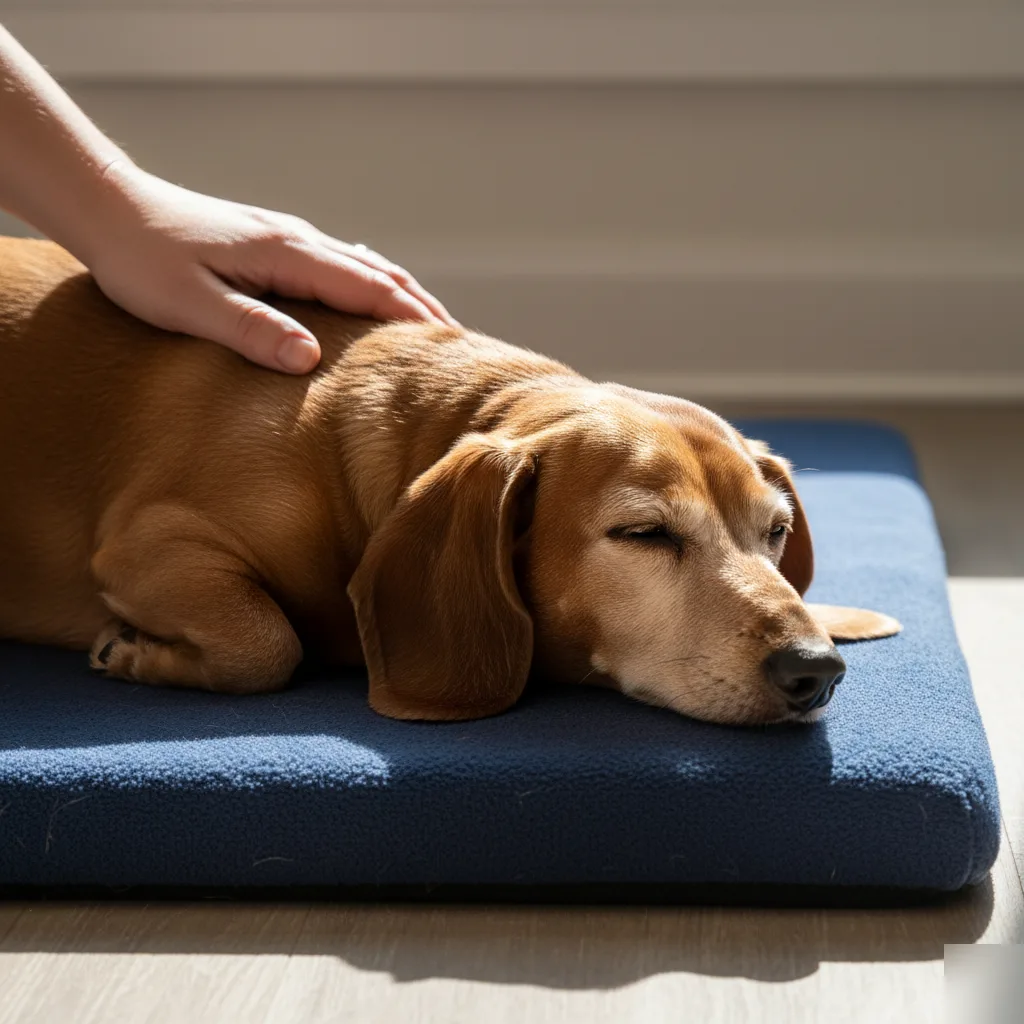
It's probably not what you're picturing. It doesn't involve cracking, and it doesn't involve your dog contorting into unnatural poses. It's simply a chiropractor's hands making quick, gentle adjustments to realign the spine and joints. That's the entire procedure — simple, but effective.
We have certification from the IVCA. It means we have completed all of our post-graduate coursework and training required through the International Veterinary Chiropractic Association for animals. This matters because a dog's spine and body work differently than yours. [1] The angles are different. Muscle attachments attach differently. The nervous system reacts differently. You cannot simply take a human adjustment and shrink it for canine use. Here is what a typical appointment looks like when you bring a dog into our Rome chiropractic office:
- We observe the animal's gait, posture, and how the head is held during movement.
- We palpate the entire vertebral column from the base of the skull to the tail, searching for restricted joints.
- We feel the major limb joints, checking the shoulders, hips, knees, and carpus.
- Upon locating a joint that is stiff, we administer a quick, gentle thrust in a predetermined direction to regain motion.
- We perform a repeat motion assessment immediately.
Most dogs are barely aware of the adjustment happening — some even seem to enjoy it. We've seen it countless times: an owner comes in nervous, bracing for their dog to yelp, and instead watches their dog drift off to sleep on the table within a few moments.
That happens because we've restored proper joint motion and reopened the communication between the joints and the nerves that regulate the body. It might sound counterintuitive, but a restricted vertebra affects the nerve pathways that control muscles and organs — which is why a dog with a dragging rear leg may actually have pain in the mid-back, not the leg itself.
This isn't a guesswork approach. For dogs — especially the ones coming to us from Berry Hills — it's common for an owner to bring their dog in for one issue, and for us to find three more the dog has been compensating for over weeks or months. Often, the problem we find and treat turns out to matter more than the one that brought them in. This isn't a massage; it's a specific technique that takes real training to perform safely.
Georgia's Referral Process and What to Expect Before Your First Visit
One thing that may be new to most dog owners in Rome: Georgia law requires a referral from a veterinarian before a dog can receive chiropractic care. That's not to say a referral is hard to get — most vets in the area will make a quick referral to a colleague or sign off on one without hassle. You don't need to bring your own paperwork or a formal permission note; you just need a referral from a vet. We can't put our hands on a patient without one.
Why Do I Need a Referral?
A referral is required for the welfare of the patient. It is important that a dog not be brought in to a chiropractor if the dog has a fracture, if the dog is suffering from a neoplasm or cancerous tumor, if the dog has any systemic disease, or for any other reason, and that those problems must be ruled out. In the past, when patients have been coming from the West Rome region, they have been brought to a chiropractor thinking that it is an adjustment that the pet needs, but when in actuality, what the dog needed was to be treated for a torn ligament, and that was the reason that they could not be chiropracticed.
When the vet has cleared the patient, here is what occurs:
- Give us a call or schedule your appointment via our online calendar and let us know you have a vet referral.
- We'll need to know your dog's breed, age, weight, and will also want a brief description of their symptoms.
- If you have any recent X-rays or medical records from your veterinary clinic, bring them to your first visit.
- Expect the initial appointment to last about 45 minutes. If your pet is returning for a follow-up, appointments are shorter.
Initial appointments are longer because we do a complete evaluation of each dog. During that time, we watch your pet walk, observe posture, and stand still to look at how your dog is holding themselves. We assess the range of motion in all joints, as well as feeling your dog's spine from the cranium to the pelvis. You will be asked questions about what you're seeing and experiencing at home with your pet.
9 out of 10 times, we're hearing "I wish we had come in sooner" from dog parents.
If your vet isn't familiar with the benefits of chiropractic care, don't hesitate to call us. We work with several vet clinics in Rome regularly and are happy to reach out to yours to explain what's needed for a referral. Most referrals come through within a day or two.
One last thing: it's best to have your dog slightly hungry for the appointment. A dog that just ate a big meal is harder to work with. Skip the trip to the dog park on visit day, too — you want them alert, not overstimulated.
When people are first told by their veterinarian that their dog could benefit from chiropractic care, their mind often thinks: big force, big noise. Not true in the least.
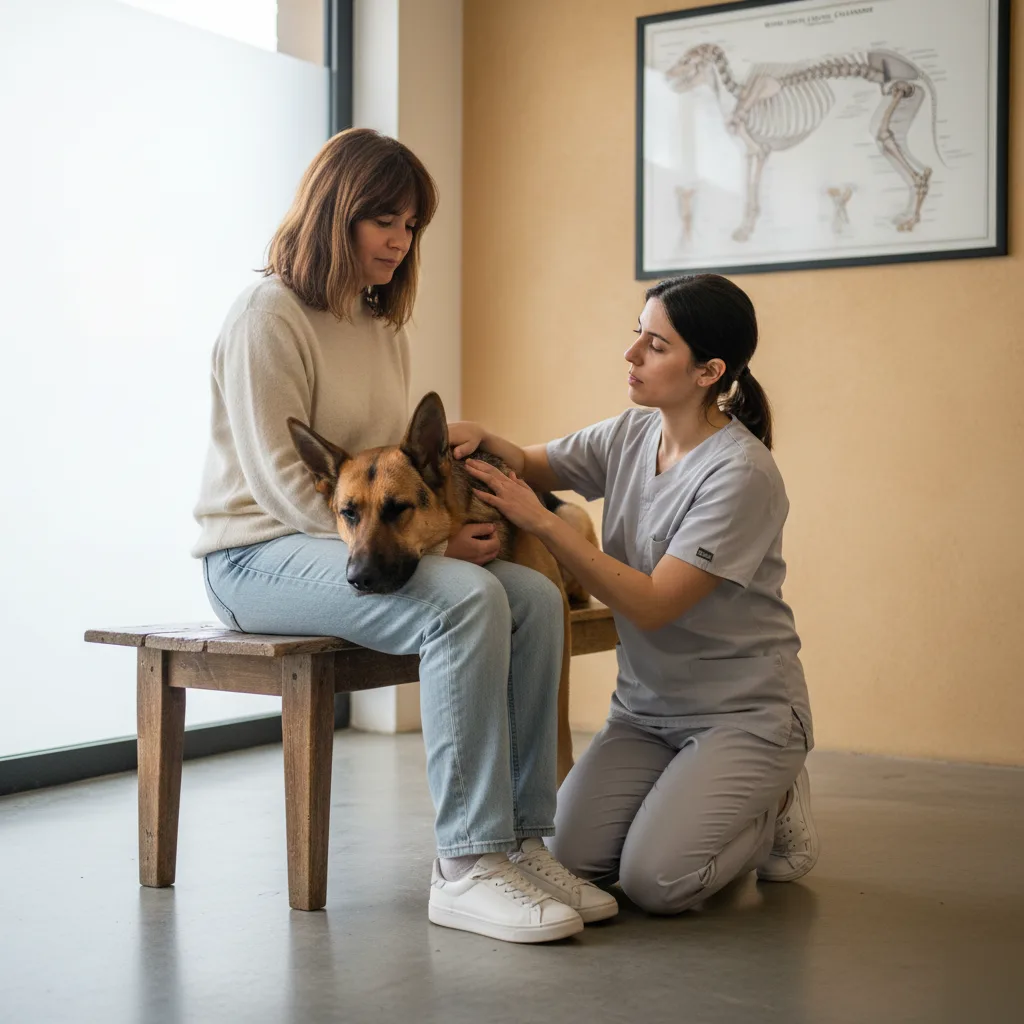
A dog chiropractic adjustment is low-force, precise, and fast — and very gentle. We're making small, specific corrections, not large movements. Your dog doesn't need to be sedated or restrained; most dogs relax once they settle in, and some even fall asleep on the table.
Here is what your dog's first appointment will look like:
- We look at the gait of your dog. A lot of things can be diagnosed just by watching them walk.
- We'll feel the spine and limbs. We will look for areas that are not as mobile as the other areas in the spine.
- We do a very specific, low force adjustment on the area we think is needing correction. The force only needs to reach that specific part.
- We'll assess the area immediately after the adjustment to make sure that it's moving properly again.
- Your dog has a few moments to come to after the adjustment and for the effects of the adjustment to be felt.
Typically the whole appointment takes between 20 and 30 minutes. For most cases, your pet will be less reactive by the time they leave.
It can sometimes be surprising to know that we use a lot less pressure on our adjustments. According to Today's Veterinary Practice, dog chiropractic adjustments are not as high of a force as human adjustments. Their joints and muscles are smaller, more mobile, and more sensitive; the force used is different. [2] IVCA certification is specifically for chiropractors who adjust animals. The training for adjusting a person's neck, hips, shoulders, back, etc., is not the same as what is learned for adjusting animals. Adjusting animals requires knowledge of animal anatomy, physiology, movement, and behavior, which makes animal chiropractic a different practice compared to human chiropractic.
Occasionally, your pet will stretch or shake right after the adjustment and may even have to take a walk. That's perfectly normal. Their body is simply releasing built-up tension, sometimes accumulated over weeks, sometimes months. In fact, this is something we witness here in Rome every single week. Dogs arrive stiff and tense and walk out noticeably more relaxed. You are welcome to remain in the room the whole time; dogs tend to respond better when their owner is nearby. Plus, if your dog is feeling anxious, we will simply move at a slower pace. There is no need to hurry. It is far better to spend an extra few minutes ensuring your dog is comfortable than to rush through an adjustment and cause them stress.
Which Dogs in Rome Are Great Candidates for Routine Maintenance?
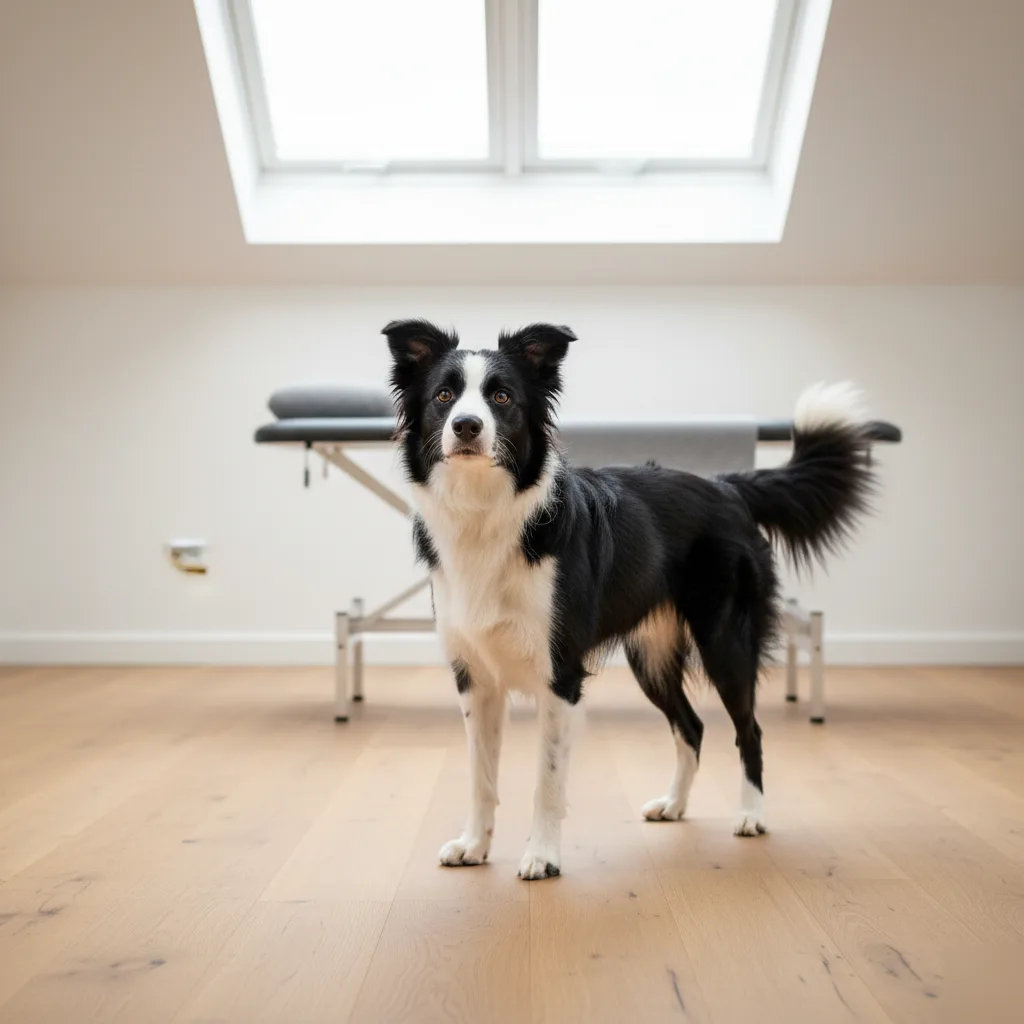
While many dogs only require adjustments once or twice and then remain happy and pain-free for months, other dogs will require a scheduled program of regular adjustments to keep them healthy and happy. And that's okay! That's just how their bodies need to work.
For instance, we frequently see dogs in Rome for ongoing maintenance therapy because certain breeds, ages, and lifestyles create excessive stress to their backs and spines. Some of the most common breeds needing this care are Dachshunds and French Bulldogs. Their long bodies and shorter legs can put them at higher risk of intervertebral disc diseases (IVDD), and scheduling routine maintenance therapy visits with their dog chiropractor can keep minor issues from ever becoming major medical ones. We have actually had several owners in the Rome/Berry College areas schedule regular visits for their Dachshunds to our office on a consistent schedule of every 4 to 6 weeks.
Other breeds that regularly come to us for ongoing care include large working breeds and high-energy sports dogs dealing with repetitive, cumulative joint stress. This could include any dog with a particularly sloped back (like a German Shepherd with hips set at an angle), a high-energy dog that has been playing hard with a tennis ball for years (like a Labrador or Golden Retriever), or simply any dog who has a bit too much weight for their joints to handle comfortably and is slowing down a little with every passing year.
In our experience, most dogs who benefit from maintenance care tend to fall into one of these categories:
- Senior dogs with arthritis or aches and pains that restrict mobility.
- Breeds that are genetically predisposed to back (IVDD) or joint (dysplasia) issues.
- Dogs who require continued care after orthopedic surgery to help maintain normal joint function.
- High-energy dogs who run, jump, and compete in agility.
- Any dog with a prior spinal or joint injury that sometimes flares up.
And in our 9 out of 10 cases, owners who choose maintenance care report a similar story. Their dog seems much younger, more active, happier, and sleeps better at night. For example, we have one client here in Rome with an 11-year-old Boxer who began doing zoomies again after their third visit for care. That's the type of results we love most!
Besides the obvious benefits to your dog's health and quality of life, maintenance visits are far less stressful than emergency treatment. They can also help to save you money down the line, as any dog that is regularly adjusted has fewer chances of needing emergency sedation, imaging, or invasive surgical treatment. For this very reason, the American Veterinary Chiropractic Association recommends routine spinal care for at-risk breeds and senior dogs. We witness its benefits every single week in our practice.
Learn how we keep Rome dogs happy and healthy.