Dog IVDD Treatment in Rome, GA
How to Tell If It's IVDD Before It Gets Worse
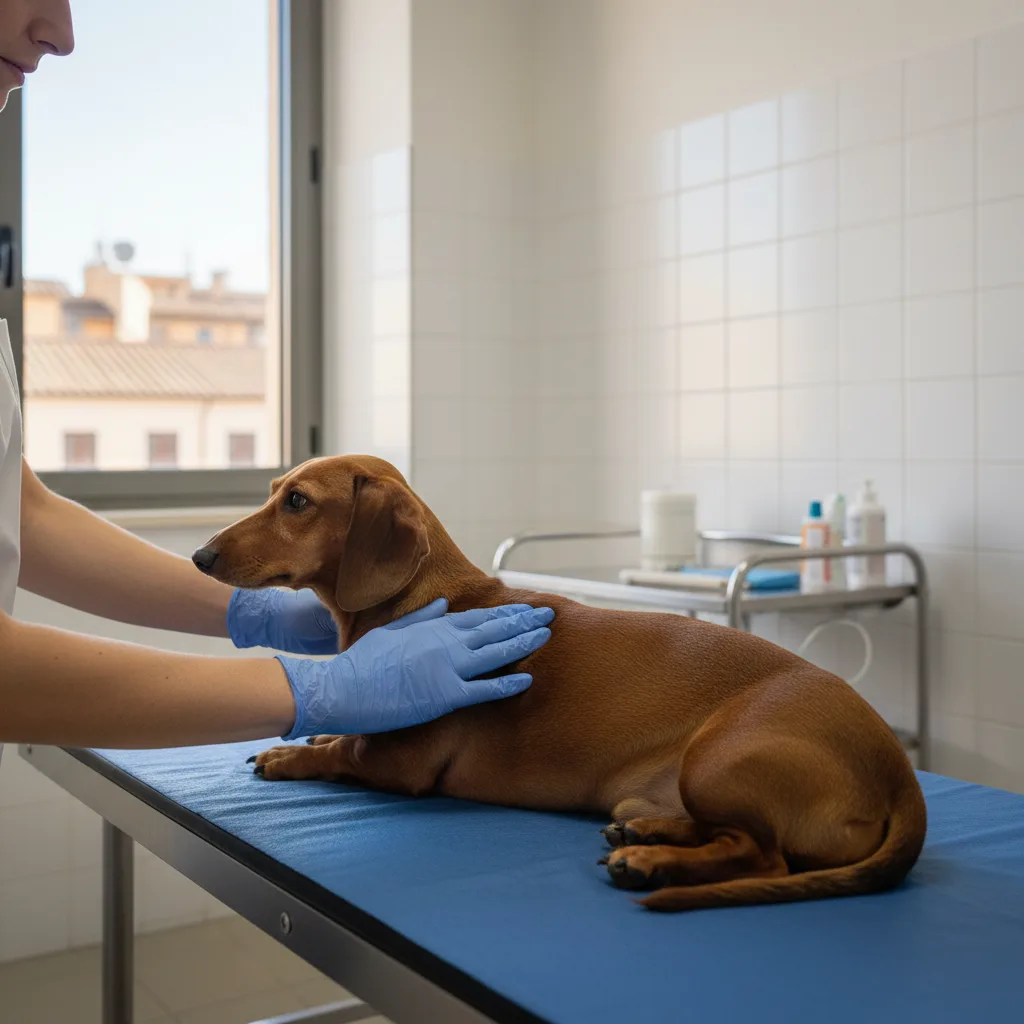
It's not true that dogs just go from happy to paralyzed overnight. There are warning signs, and I've seen them so often with Rome-area families who wish they'd brought their dog in sooner.
The trouble is IVDD can look like old age. Your dog doesn't want to hop on the couch anymore. They scream when you pick them up. They walk kind of weird with their hind legs dragging. It's not a funny habit. It's IVDD.
IVDD tells the story like this:
- Complaining when touched on the spine
- Unwilling to jump or run
- Back is arched, abdomen looks hard and tight
- Paw drags, one or both
- Can't control bladder/bowel
If you have the last symptom, you have a problem that isn't getting better any time soon. Don't wait.
Dragging a paw near North Broad Street? Find out what that means before it's too late.
What Owners Usually Catch First
90% of the time, it starts off seemingly harmless. A dachshund near North Broad Street stopped wanting to go on walks. The owner thought it was the heat. It turned out the dog had a bulging disc pressing on the spinal cord. We have also received calls from other dog owners who are dealing with IVDD. Those are owners of Frenchies, beagles, and Corgis. Yes, the long-backed, short-legged breeds are more likely to experience a herniated disk, but any dog can have IVDD. Some patients deteriorate in the blink of an eye. Other times, your dog might stabilize for a while then decline rapidly. This is why early detection is key. Early detection means more treatment options for IVDD in dogs that don't involve surgery.
Another thing that you may not know is that your dog can be fine in the morning but start dragging his paw by nightfall. Disc problems can develop quickly. So if you feel like something is just not right, but you can't put your finger on it, pay attention. You know your dog. Take your dog into the clinic in Rome for an assessment before the problem escalates. A quick hands-on exam can tell us a lot about what's happening in the spine — it saves you time and your dog a lot of pain.
The IVDD Grading Scale Is Key to Treatment

Not every IVDD case is the same. This is the first lesson we teach new dog owners in Rome who are worried about the IVDD situation for their pet.
The IVDD is graded on a five-point scale. The grade your dog falls into dictates how we move forward and what treatment will work:
- Grade 1: Only pain. Yelps. Rigid posture. Won't jump. They walk just fine.
- Grade 2: Their walk becomes wobbly, often displaying a drunken-like stumbling in the back legs, but can still walk.
- Grade 3: Your dog is capable of moving the hind legs but is unable to put any weight on them to walk. In severe cases, it may look like they are crawling.
- Grade 4: Complete loss of movement in the back legs. Deep pain (toe pinch) is present, however.
- Grade 5: Complete loss of movement, and the dog cannot even sense deep pain. This is a surgical emergency.
We typically see Grade 1 and 2 cases in our clinic. They constitute 90 percent of our IVDD cases. Grade 1 and 2 cases respond well to conservative care such as chiropractic care and cold laser therapy. A Grade 3 case will depend on how soon you bring your dog in. The most important thing to remember is the Grade can change. A dog that is considered a grade 1 on Monday morning may be classified as a Grade 3 by Wednesday if left untreated. This is why we urge Rome pet owners to contact us immediately once they begin to notice the warning signs. Taking a "wait and see" approach for a week to see if the symptoms subside on their own is the riskiest decision you can make.
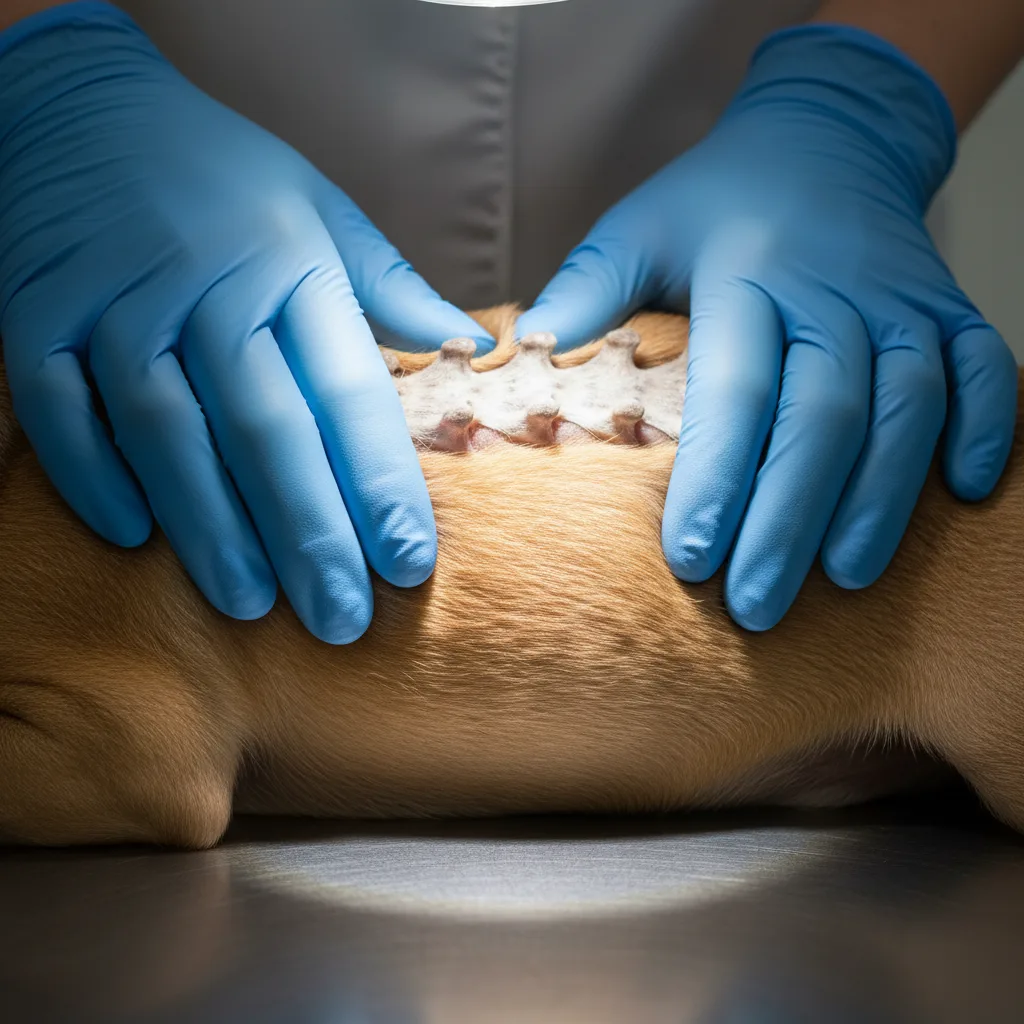
How do we determine your dog's Grade? Our veterinarians perform a hands-on neurologic exam at the office, which allows us to test reflexes, observe gait, and check for deep pain in all four legs. According to the American College of Veterinary Internal Medicine, the grading assessment is a method for making initial treatment decisions for dogs with IVDD. [1] The examination takes approximately 15 minutes, but is extremely informative. Dogs from the North Broad Street neighborhood of Rome and beyond have been admitted unable to walk and have left our office a few weeks later walking on four legs.
What Does Conservative IVDD Treatment Involve?
When many people think of conservative treatment, they think of doing nothing, which is incorrect. Conservative dog IVDD treatment is a management plan that provides time for your dog's spine to heal without surgery. It is used when the disc has not fully ruptured or if your dog still has sensory and motor function in all four limbs. It is very effective, but requires your full commitment and our expert guidance. Here is how a typical conservative treatment plan may look in our Rome veterinary clinic:
- Strict confinement (crate rest) for 4-6 weeks. This is one of the hardest parts of the plan for owners to stick to, and we talk to owners about it every single day.
- Anti-inflammatory support to reduce inflammation in the disc, which will decrease pressure on the spinal cord.
- Spinal chiropractic adjustments, to restore spinal alignment so nerves have plenty of room to function.
- Cold laser therapy, an advanced treatment that promotes cellular healing and decreases inflammation.
- Gradual return to activity with guided rehabilitation exercises.
Confinement (crating) is key, however. Miss the window, and you're starting from zero. We have dogs coming in from the West Rome area recovering beautifully at week three — then the owner lets them take one leap onto the couch, and we're starting over. One leap and you've undone a lot of progress. Our adjustments in this recovery period are soft, non-traumatic, and not really a "crack and adjust" kind of treatment. We apply specific spinal corrections to help stimulate a faster recovery. As an IVCA-certified dog chiropractor, I can attest to the huge difference it makes when a dog has chiropractic support during recovery versus when they don't. Cold laser is a fantastic companion for those adjustments. Laser therapy treats inflammation that occurs deeper within the body's tissues. Most dogs in Rome can have these sessions and do not have any adverse side effects to their therapy. You would see improvements and improvements until your dog can be back to its full mobility and no longer cries or is in pain when moved. They start to put weight on all of their legs as they recover. You won't see overnight improvement — it's usually 3 to 4 weeks after symptoms start before you notice real progress. It requires patience from owners for their dog to recover from IVDD.
Your Dog Was Just Fine Yesterday, Now They're Crying or Not Able to Walk
When IVDD strikes in Rome, it's often unexpected and can happen fast. A dog who was fine yesterday can wake up yelping when you pick them up, or be unable to walk across the kitchen floor the next morning. The first 48 hours from when symptoms show up are key for Rome dogs with IVDD. In the first few days, the swelling of the disc material that is pressing on the spinal cord occurs. The longer the nerve is compressed this way, the harder recovery is going to be. We have seen Rome dogs come on day one and do extremely well. We have also seen dogs where the owners waited a week thinking it would get better, when the damage was already done by that point. There's a window of time for when you can start seeing improvement in your dog.
Here's what to do if you see your dog suffering from IVDD:
- Keep your dog from moving. No jumping on/off of beds/couches, no going up stairs, and no playing with toys or other dogs.
- If they need to relieve themselves in the yard, just carry them outside or keep any walks short. No more than a 2-minute walk on a leash.
- Call to get in to get evaluated as soon as possible that day or the first thing the next morning.
- Take note of all the symptoms they're experiencing. Are they wobbly when they walk, vocalizing when moving, not moving as much as they did before, or dragging their feet in their back end? Those all play into how we grade the severity of the case.
A IVDD diagnosis can be graded from a severity of 1 to 5. Grade 1 is where a dog may have signs of pain but not show any signs of neurologic deficits. Grade 5 indicates the dog has no deep pain response in the limbs. Most of the dogs we see in Rome fall into Grade 2 or 3, showing both signs of pain and a lack of coordination in their gait, but still having sensation in their body. This is the window we have to work with, which unfortunately can close quickly. Early interventions is the number one predictor of a successful outcome for a dog with IVDD, according to the American College of Veterinary Surgeons. [2] We see this all the time. The families living along North Broad or out past the bypass, those who are calling us the same day their dog is acting off tend to see better, faster results with their dogs. The ones that come in after two weeks of "waiting and seeing" require a longer recovery. Don't question your gut feeling. If your dog is sensitive to handling along the back and neck, that is a sign enough to bring your dog into the hospital.
Your dog's grade can change in 48 hours. Call our Rome clinic the same day symptoms appear — don't wait and see.
Book Your AppointmentHow to Prevent a Repeat Episode of IVDD After Recovery
After a dog has recovered from IVDD, we always tell owners here in Rome: the injured disc is still there, and the adjacent discs are now taking the brunt of the trauma and stress. The rehab work you do at home is equally as important as what we do in our hospital setting. If anything, it is more important!
Here are things that we tell owners to do to prevent a reoccurrence of IVDD after a dog has recovered:
- Weight control: excess body weight can place additional pressure on already healing or damaged intervertebral discs. Just a few pounds in a small breed like a Dachshund can make the difference.
- Ramps: using ramps to help your dog jump onto the couch, sofa, or into the automobile. Jumping off is a common cause of repeat intervertebral disc disease.
- Exercise: short leash walks on firm, flat ground will help build core muscles without straining the spine. Avoid playing fetch on uneven or hard surfaces and limit play with other large dogs until your dog is fully recovered.
- A supportive harness: Ditch the collar. A body harness takes pressure off the neck and distributes force across the chest.
- Chiropractic treatment and adjustments: proper spinal alignment will reduce pressure placed upon the intervertebral discs and other spinal segments to prevent reoccurrence.
We have had dogs return months down the road with another episode, and in most cases (about 90%), it was because the owner had stopped the exercises at home because the dog appeared to have returned to a completely normal activity level. This is the scenario that we see too often: a dog recovers from intervertebral disc disease, feels great, starts playing, jumping from the top of the steps near Shorter Ave. in Rome. And the next day or week the dog is non-ambulatory again.
A rehabilitation exercise program should always be part of a plan that is developed for recovery from IVDD or any injury. We will teach you exactly how to do these exercises and we will let you know when it is appropriate to progress your dog through these exercises and increase the intensity and duration of each movement. Cold laser therapy also is a great way to reduce the pain and inflammation from any spinal issues in between veterinary visits or treatments.
The best thing is to be in tune with what is normal for your dog. If you notice your dog hesitant before jumping, if your dog complains during stretching, if your dog's gait looks off or abnormal, seek veterinary care immediately. In Rome, it is always easier to catch an intervertebral disc issue early rather than trying to address a full blown episode.
Recovery is only the beginning. Call our Rome clinic — let's build the plan that keeps your dog from going through this again.
☎ (706) 290-3229Citations
[1] American College of Veterinary Internal Medicine via PMC. https://pmc.ncbi.nlm.nih.gov/articles/PMC9511077/
[2] American College of Veterinary Surgeons. "Intervertebral Disc Disease." https://www.acvs.org/small-animal/intervertebral-disc-disease/
Frequently Asked Questions
Common questions about dog IVDD treatment from our Rome, GA patients.
Your Dog's IVDD Window Can Close Fast in Rome, GA.
A Grade 1 on Monday can become a Grade 3 by Wednesday. Our team at Douglas Family & Animal Chiropractic — IVCA certified for animal chiropractic — is ready to evaluate your dog today and start a plan that gives them the best shot at recovery without surgery. Same-day appointments available.


Contact Us
(706) 290-3229
(706) 487-3222
610 Shorter Ave NW
SUITE 9,
Rome, GA 30165
Copyright 2025, Douglas Family Chiropractic.
All Rights Reserved.
Powered By: