Rehabilitation Exercises in Rome, GA
What Rehabilitation Exercises Actually Do for Your Recovery
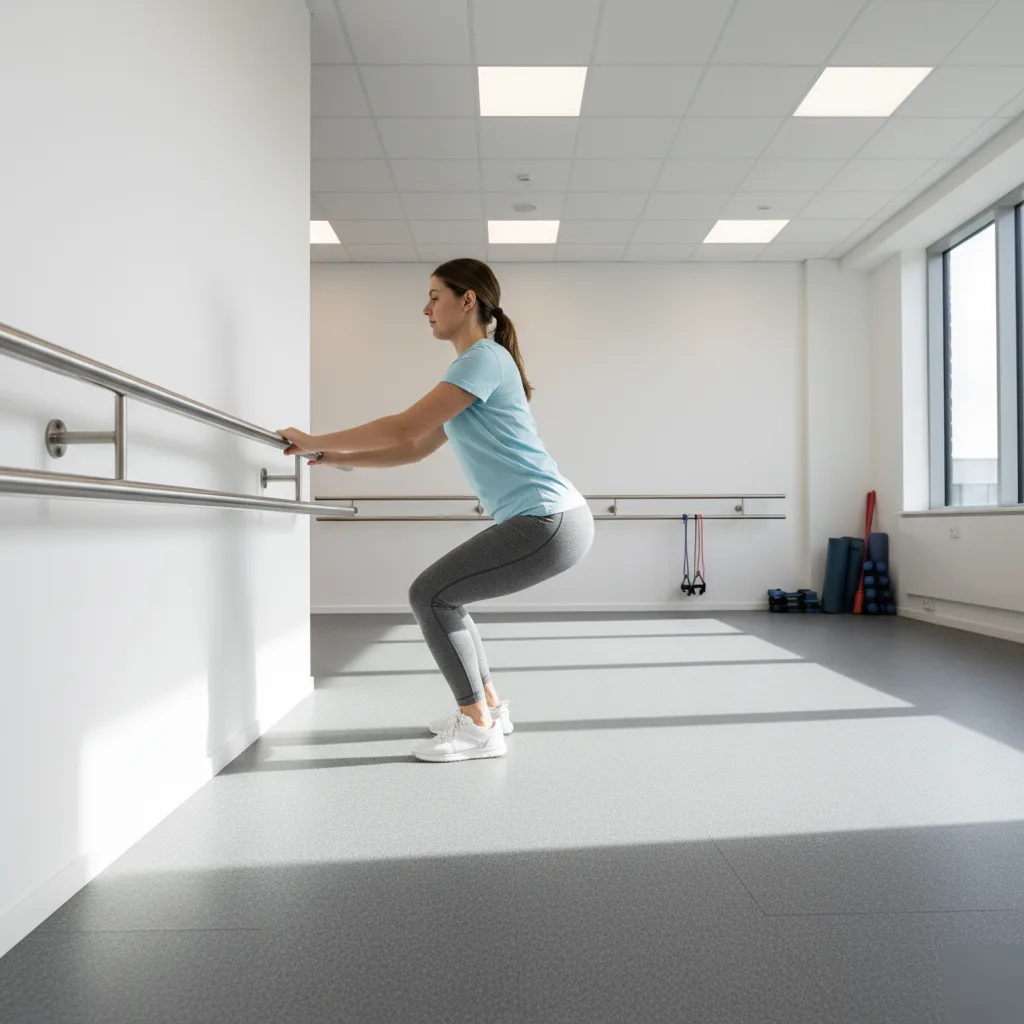
Most people think rehabilitation exercises are just stretches you do at home — that's only one piece of the puzzle.
Rehabilitation exercises are specific movements that help retrain your body after an injury, surgery, or chronic pain. They rebuild strength in weakened muscles, restore movement in stiff joints, and teach your nervous system how to move correctly again. We prescribe these exercises here in Rome because adjustments alone often don't last. Your body needs to learn how to support itself between visits, and that's where the real progress happens.
Why Adjustments Alone Aren't Enough
Think about it this way: a chiropractic adjustment puts things back where they belong. But if the muscles around your spine or joints are too weak or too tight, everything shifts right back. We see this every week: a patient feels great after their appointment, but two days later the same pain creeps in. Rehabilitation exercises break that cycle by giving your body the stability it needs to hold corrections longer.
The American Chiropractic Association states that active rehabilitation, when combined with manual therapy, has potential to lead to better long-term results than passive treatment alone. [1] This matches what we see daily in our office near North Broad Street.
What These Exercises Target
Not every patient gets the same routine. Your program depends on your specific needs. Here's what rehabilitation exercises often address:
- Weak core muscles unable to stabilize the spine during daily tasks
- Tight hip flexors pulling the pelvis out of alignment
- Poor shoulder mechanics after a rotator cuff issue or frozen shoulder
- Balance deficits that increase fall risk, especially after auto accidents
So when someone walks into our Rome office saying their back "goes out" every few weeks, we don't just adjust and send them home. We look at the underlying mechanical issue. Then we build a set of movements to address that specific problem.
Here's something people often don't expect. The exercises are usually simple. Bodyweight movements, resistance bands, nothing fancy. Done consistently, they change how your body functions day to day. That's the whole point.
Conditions That Respond Well to a Structured Exercise Program
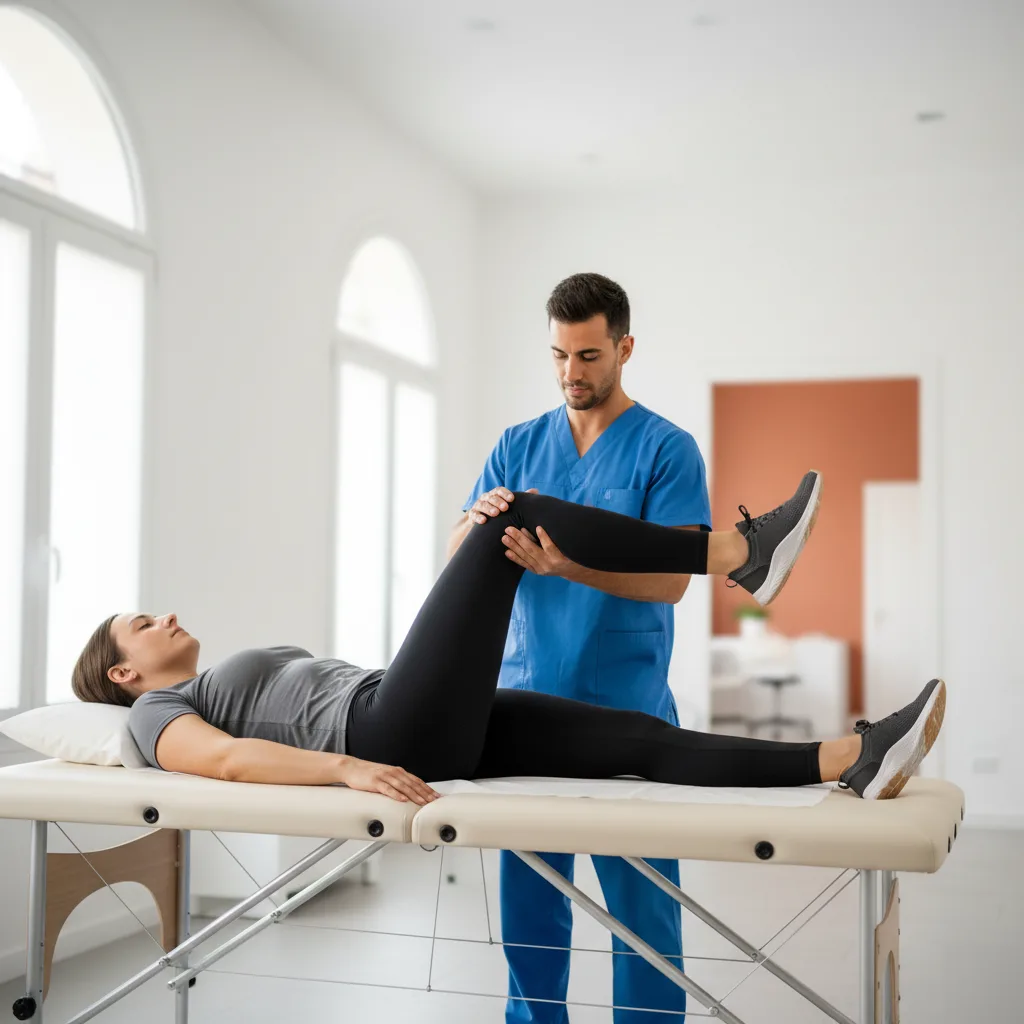
Not every ache or pain needs the same approach. But you'd be surprised how many different conditions improve once we add rehabilitation exercises into the mix.
We see people walk into our Rome office every week dealing with problems they've had for months, sometimes years. They've tried to rest. They've tried ignoring it. Nothing stuck. The missing piece is almost always targeted movement that rebuilds strength where the body lost it.
Common Conditions We Work With
Some conditions respond to structured exercise faster than others. Here's what we see get better most consistently:
- Chronic low back pain that flares up with sitting, bending, or driving around town
- Neck stiffness and tension that won't quit, no matter how you sleep
- Sciatica symptoms that shoot down one leg and make walking miserable
- Post-auto accident injuries where muscles tightened up to protect the spine
- Sports injuries from weekend games or training that left something "not right"
More often than not, the patient telling us about their back pain also has weak core muscles they didn't know about. That's the real problem underneath the symptom.
Beyond the Obvious
Patients near the West Rome area come in for things you might not expect. Frozen shoulder responds well when we pair chiropractic adjustments with specific range-of-motion exercises. Pinched nerve symptoms calm down once we strengthen the muscles around the affected area. Even posture problems from desk work improve dramatically.
Here's something people don't realize. A herniated disc diagnosis doesn't mean you stop moving. It means you need to move the right way. We build exercise routines that take pressure off the disc while helping the surrounding muscles do their job again.
Research from the Center for Disease Control on cardiac rehabilitation exercises shows what we see clinically: structured, supervised exercise programs can often outperform passive rest when it comes to restoring function and preventing setbacks. [2] That principle applies across rehabilitation disciplines, not just cardiac care.
If you came to us after a car accident, rehabilitation exercises bridge the gap between "feeling okay" and actually being okay. There's a big difference, and your body knows it even when the pain fades.
Wondering if what you're dealing with fits? Most conditions involving the spine or joints do. Give us a call and we'll talk it through.
Back pain, sciatica, or an old injury that keeps coming back? Call our Rome clinic and find out if a structured exercise program fits your recovery.
Book Your AppointmentWhat to Expect at Your First Rehabilitation Appointment in Rome
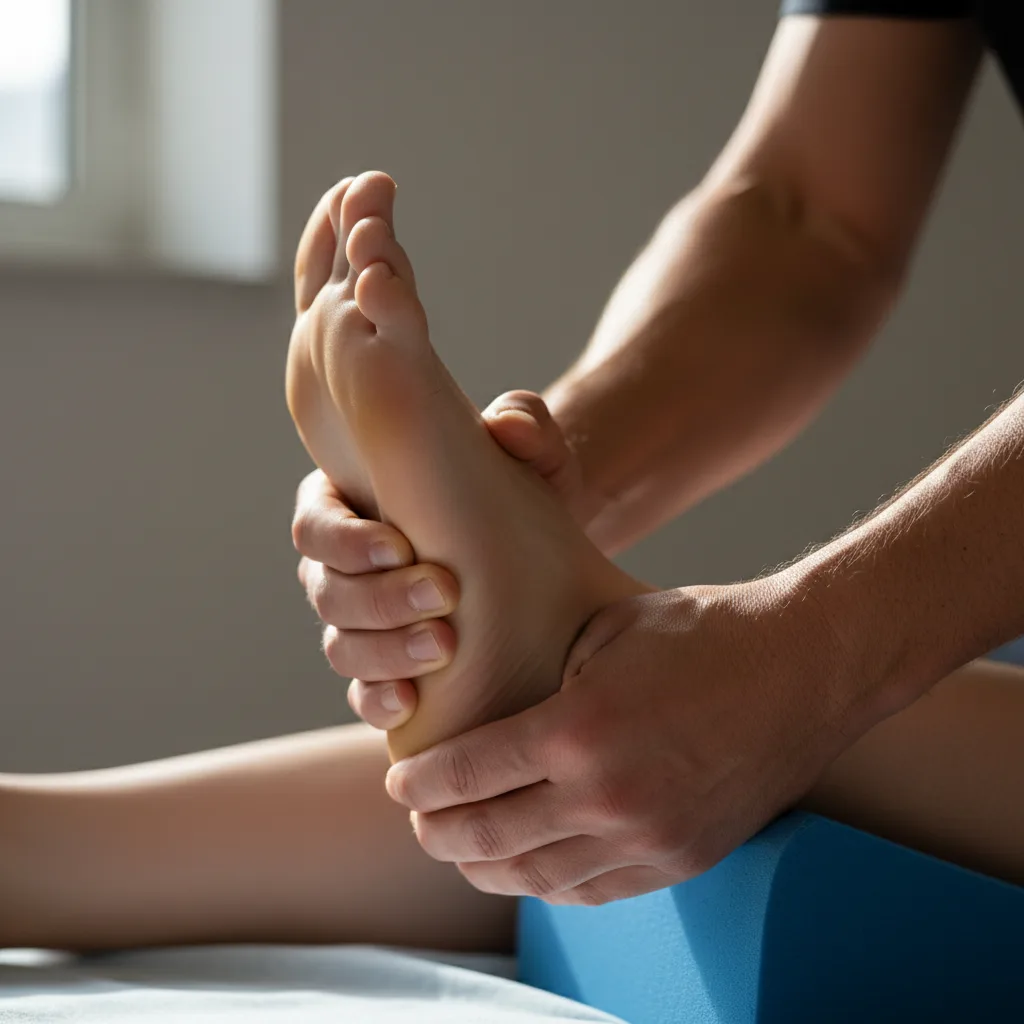
Walking into a new office can feel a little strange. We get that. So here's exactly what happens when you come in for rehabilitation exercises at our Rome location — no surprises.
The first thing we do is talk. Not a quick "where does it hurt" and move on. We have a real conversation about what's going on, how long it's been bothering you, and what you've already tried. We want to know if you tweaked your back lifting groceries or if you're recovering from an auto accident. That history matters more than most people realize.
The Assessment Process
After we talk, we watch you move. We check your range of motion, how you stand, and where your body compensates. The spot that hurts isn't always the spot causing the problem. Your body is smart. It shifts weight, tightens muscles, and does whatever it can to protect the weak link. Our job is finding that weak link.
Here's what a typical first visit looks like:
- We review your health history and any imaging you bring along.
- We run a hands-on movement assessment to check flexibility, strength, and joint function.
- We identify which rehabilitation exercises match your specific condition.
- We walk you through each exercise right there in the office so your form is correct from day one.
- We build a plan that fits your schedule and your goals.
You won't leave confused. You'll leave knowing exactly what's wrong and what we're going to do about it.
Most patients near North Broad Street tell us they wish they'd come in sooner. The people who wait months or years are the ones dealing with compensations stacked on top of compensations. But even then, we can work with it.
Wondering if your issue even needs rehabilitation exercises? That's actually pretty common. Plenty of people walk in unsure whether they need chiropractic adjustments, massage therapy, or exercise-based rehab. Sometimes it's a combination. We figure that out together during this first visit so nothing gets wasted: not your time and not your energy.
Wear comfortable clothes you can move in. Plan for about 45 minutes. Bring any questions you have. We'd rather answer ten questions than have you guessing at home.
Your first visit takes about 45 minutes. Call our Rome clinic — we'll watch how you move and build a plan around your weak link.
☎ (706) 290-3229How a Rehabilitation Exercise Program Progresses Over Time
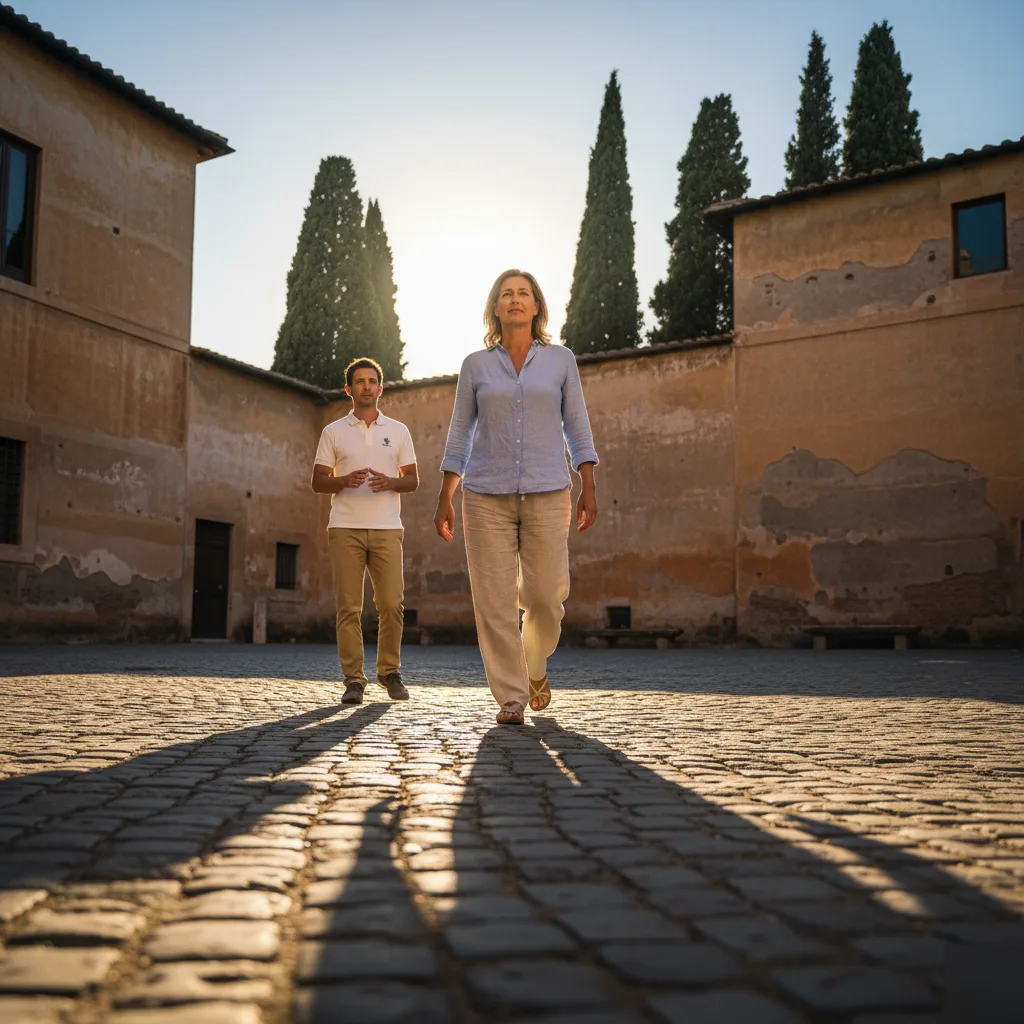
Most people walk in thinking rehab is the same routine every visit. It's not even close.
Rehabilitation exercises follow a clear path, and each phase builds on the one before it. We adjust the program as your body responds. Some weeks you'll feel like things are moving fast. Other weeks we slow down on purpose — that's actually a good sign your body is adapting the right way. No two programs look the same here, even when the injuries do.
Phase One: Restoring Basic Movement
Early on, we focus on getting you moving without pain. The exercises are simple and controlled. Sometimes they feel too easy. But they're doing real work underneath, retraining muscles that have been guarding or compensating for weeks, sometimes months. This phase usually pairs well with spinal manipulation or cold laser therapy to help calm things down while we build a foundation.
Phase Two: Building Strength and Stability
Once your range of motion improves, we add resistance. We do balance work and coordination drills. This is where patients near the West Rome area who came in barely able to bend over start surprising themselves. You'll notice everyday tasks getting easier. Picking up groceries, turning to check a blind spot, or getting out of bed without wincing.
We track progress at every visit. We aren't guessing; we're measuring.
If something stalls, we change the approach that same day. Sometimes a small adjustment in form or load is all it takes to get things moving again.
Phase Three: Return to Full Activity
This is where it all comes together. We simulate the demands of your real life. That might mean sport-specific movements for an athlete or repetitive-motion drills for someone who works a physical job in Rome. The goal isn't just "better" — it's stronger than before the injury happened.
A typical program runs through these phases over several weeks:
- Pain-free range of motion is established through gentle, guided movement.
- Resistance and stability exercises are layered in gradually.
- Functional movements that match your daily activities replace basic drills.
- We stress-test the area to make sure it holds up under real conditions.
- A home exercise plan keeps you progressing between visits.
We don't rush you through phases to check boxes. We move you forward when your body is actually ready. That's how lasting results happen.
The Most Common Reason Rome Patients Stall in Recovery
You felt great after your first few visits. The pain dropped. You could move again. Then everything just stopped improving.
We see this every week in our Rome office. A patient comes in frustrated because they hit a wall. They're doing their adjustments, they're showing up on time, but the progress flatlined. Almost every time, it's the same thing: they stopped doing their rehabilitation exercises at home, or they never really started them correctly in the first place.
Here's what most people don't realize. In-office treatment gets the ball rolling. It reduces inflammation, restores alignment, and takes pressure off nerves. But your body needs to relearn how to hold those corrections on its own. That's what rehabilitation exercises do. They retrain the muscles around your spine and joints so everything stays where it belongs between visits.
Skip that step and your body just drifts back to the old pattern. Think of it like pushing a boulder uphill, then letting go every night. Without the muscle support to hold it there, you wake up right back where you started.
The patients who stall usually fall into one of these categories:
- They were given exercises but forgot the form and started compensating with the wrong muscles
- They felt better and assumed the exercises weren't needed anymore
- They tried to push too hard too fast and aggravated the area
- Life got busy and the routine just slipped away
None of that makes someone a bad patient. It makes them human. But it does explain why recovery stalls out around week three or four for so many people here in Rome.
That's exactly why we don't just hand you a sheet of paper and send you home. We walk through every movement with you, watch your form, and adjust the difficulty based on where you actually are, not where a chart says you should be. We're good at spotting the small compensations that turn a helpful exercise into a harmful one.
So if you've been feeling stuck, you're not broken. You're just missing a piece of the puzzle.
Citations
[1] American Chiropractic Association. https://www.acatoday.org/news-publications/research-review-clinical-practice-guideline-chiropractic-care-for-low-back-pain/
[2] Centers for Disease Control and Prevention. https://www.cdc.gov/heart-disease/about/cardiac-rehabilitation-treatment.html
Frequently Asked Questions
Common questions about rehabilitation exercises from our Rome, GA patients.
Stop Stalling in Your Recovery in Rome, GA.
Adjustments put things back where they belong. Rehabilitation exercises help them stay there. Our team at Douglas Family & Animal Chiropractic will watch how you move, find the weak link, and walk you through every exercise so your form is right from day one. Same-day appointments available.


Contact Us
(706) 290-3229
(706) 487-3222
610 Shorter Ave NW
SUITE 9,
Rome, GA 30165
Copyright 2025, Douglas Family Chiropractic.
All Rights Reserved.
Powered By: