Sciatica Treatment in Rome, GA
Identifying Whether Your Leg Pain Is Sciatica
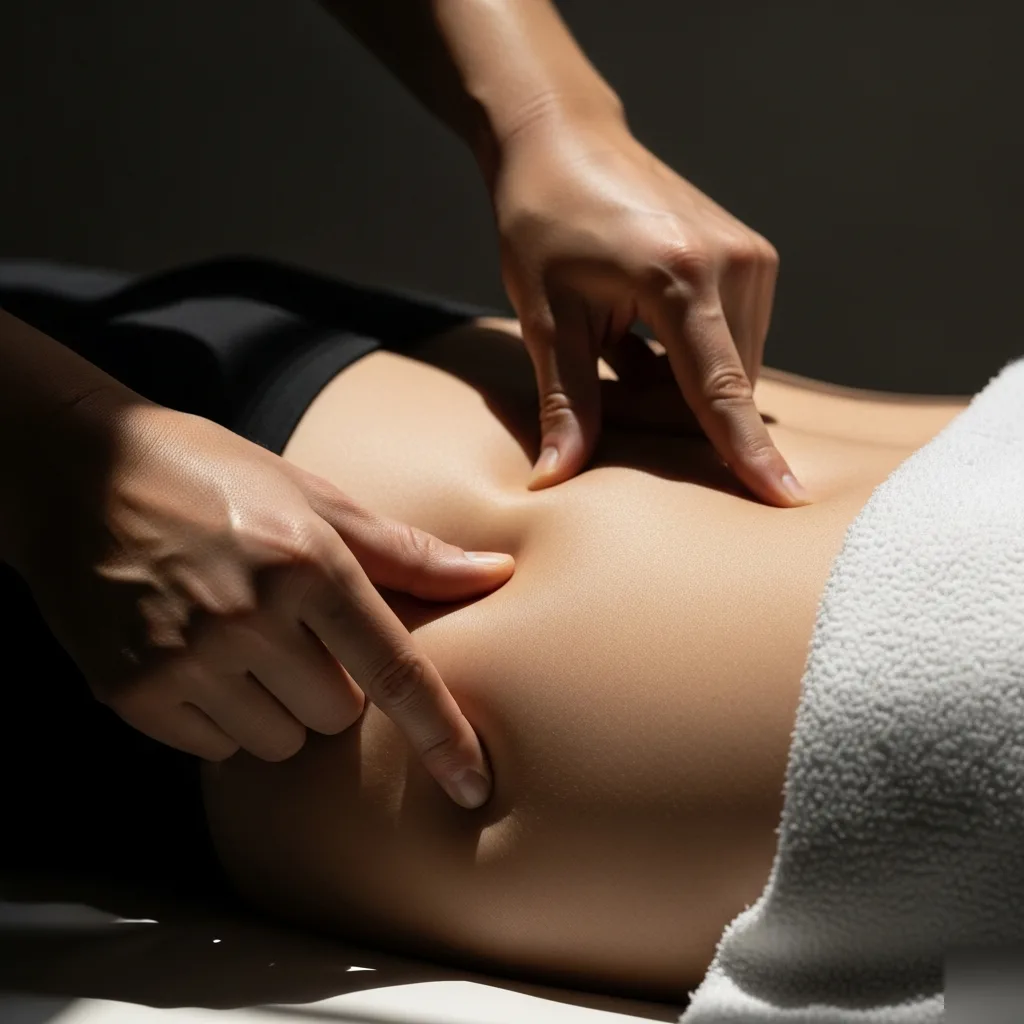
We tell patients who enter our office concerned about leg pain that not all leg pain is sciatica. Leg pain from a pulled muscle feels uncomfortable and stays in one place; sciatica feels like an electrifying jolt that occurs when you stand up from a chair or when you make a sharp turn exiting your car. A pulled muscle feels tight and achy, while sciatica radiates from the lower spine to the buttock and down the leg into the hip and into one leg and sometimes only to the knee and sometimes to your toes. Here are the hallmarks of sciatica:
- Pain in the low back, buttocks, and the back of one thigh that radiates down the leg
- Numbness or tingling in your foot or toes
- Burning on the back of one thigh
- Weakness in one leg that you notice when trying to push-off while walking
- Pain or discomfort after sitting for extended periods
Every week we diagnose someone who slept wrong or went to the gym too hard that has low back pain that radiates into the hips and down the leg and past the knee. They have sciatica, which is nerve-related rather than muscle. And you might not even realize it, but if you live or work near West Rome, sciatica is more common that you might think. You might feel sciatic pain in your lower leg and feet but not in your back. According to the Mayo Clinic, Sciatica usually occurs when a herniated disc or a bone spur presses on the sciatic nerve [1].
You probably don't want to know why that is happening right now; you probably just want to know if that's what it is. Here's a little test you can do at home. Lie flat on your back and slowly raise the affected leg straight up. If the pain shoots down past your knee before you hit 60 degrees, there's a good chance the sciatic nerve is involved. This is not a diagnosis, it is a strong indication. We encourage everyone who gets the pain described above to get seen. The longer sciatica is left without treatment, the more severe it can become and the more intense that sciatic nerve can be.
Common Causes of Sciatic Nerve Compression
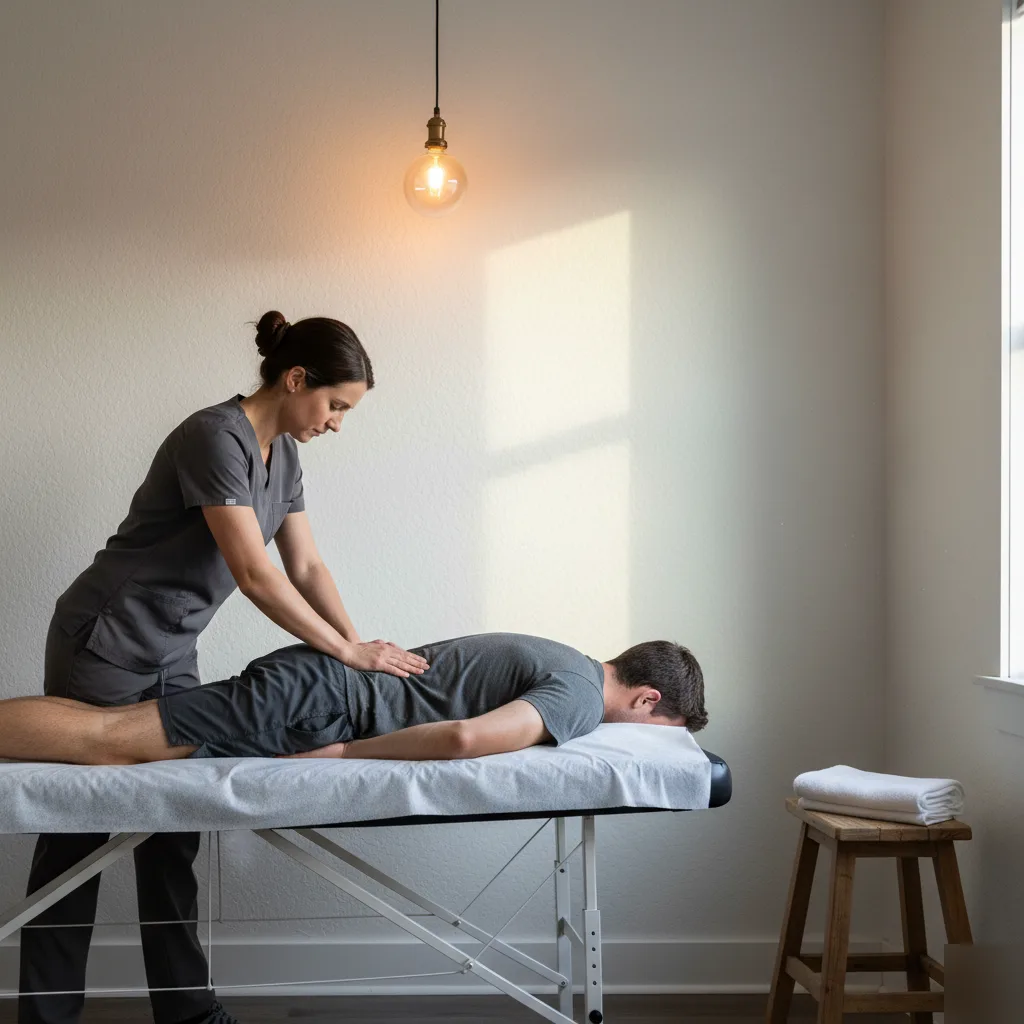
Most of the people who come to our door don't know why they have pain or why their leg feels different from the other; they only know that something is wrong. They experience pain in the hip, the lower back gets locked up, and ten minutes in a car is not enjoyable. So, what is pressing on the nerve? The sciatic nerve is the long nerve that begins in the lower back and travels through the hip into each leg. Pressure applied to it will lead to pain that can radiate all the way down to your foot. We see this week after week. The reasons behind sciatica can be many, but the following are the most common:
- Herniated or bulging discs in the lower back can press on the nerve root.
- Spinal stenosis, a narrowing of the spinal canal, which leaves less room for the nerve to pass through unimpeded.
- Piriformis syndrome, which happens when a muscle in the deep hip gets tight and squeezes the nerve.
- Degenerative disc disease, which most frequently presents itself in active individuals over the age of 40.
- Misaligned vertebrae that can impinge on the nerves.
This combination is responsible for nine out of 10 cases. Here is something that most people are surprised to learn: The origin of your pain doesn't always coincide with where you are feeling pain. Sometimes, patients feel a burning sensation down their calf, but the problem is actually in their lower back. It is this kind of misdirected focus that frequently causes Rome patients to treat the wrong area and never get better.
We recently treated a patient from West Rome who had been focusing on her hamstring stretches, as she thought her hamstrings were the problem. As it turned out, a disc had slipped in her lumbar spine, just enough to pinch a nerve. Once the root cause of the problem was identified, we were able to get her sciatica treatment underway much more quickly.
Of course, your lifestyle can also be a factor. Long commutes, desk jobs, and repetitive activities at the gym or in the workplace can all wear on your back over the years. The spinal compression does not happen all at once; it gradually worsens until one morning you bend to tie your shoe and find you cannot get back up.
However, understanding what the issue is changes everything because it tells you what area is to be targeted and what treatment will work best to help.
Heel pain that keeps coming back is telling you something. Let us find what's actually driving it.
The source of sciatic pain isn't always where you feel it. Let us find the real cause today.
Book Your AppointmentFrom First Visit to Relief: The Sciatica Treatment Process

People come into our office with pain. It is just the way it starts for everyone: Perhaps you have been suffering for weeks, or maybe the pain hit you out of the blue yesterday morning when you stooped down to grab your keys. Either way, this is exactly what happens when you come to Rome.
The first office visit is all about diagnosing the problem. We don't wing it.
- A thorough case history: We listen to your problem in detail. What area of the body hurts? When did it begin? What makes it worse? Each patient is different, and there is no such thing as exactly the same case.
- Physical testing: We test your range of motion, perform nerve checks, and muscle testing to narrow down exactly where a particular nerve is being compressed or irritated.
- If needed, an imaging scan: If you have an X-ray or MRI already, we'll have our medical team take a look at it. If you need one, we'll create one right there in the clinic.
- A customized treatment plan: Your care plan will be specific to you, and not a cookie-cutter plan printed off a computer screen.
- Treatment starting today: If you are ready, we can begin your treatment immediately. Most of them, yes; they've waited long enough.
More often than not, people report a degree of improvement after their first visit. Not cured, mind you, but improved. And improved is something you'll certainly appreciate when you haven't had uninterrupted sleep for more than a couple of nights in a row.
Your second and third sessions will continue that process. We'll use chiropractic adjustments to relieve pressure on the nerve, spinal traction therapy to open space between the compressed disc, and cold laser therapy to reduce inflammation in the surrounding tissues. Some of the patients who come to us from West Rome may start to feel significant improvement after three or four treatments. For other patients, a little more time is needed, and that depends on how long the nerve has been inflamed or what is causing the pressure in the first place.
And here's something many folks may not think to ask about. After a treatment session we also instruct you in rehabilitation exercises for you to continue doing at home. We use these exercises to keep the momentum going between visits, and they allow you to continue improving, so you're not starting over from scratch with each subsequent appointment.
At each visit we review your results, making sure we're doing what you need to be doing. If we need to change the plan, we'll change the plan. That's a key benefit of hands-on, non-invasive care: You aren't locked into a plan that doesn't meet your individual needs.
If you're tired of wondering if you'll ever get better, contact a chiropractor today.
Why Most Sciatica Cases Resolve with Non-Surgical Treatment
Most patients with sciatica don't need surgery. Or so we're told. Yet many patients come to us assuming they're going to the surgeon. Their backs, shoulders, and/or legs have been aching for weeks and even months. It has gotten so bad that they can't even sit down to enjoy a good meal. So what we say to them is this: The vast majority of cases of sciatica can be treated with hands-on, non-invasive care. According to the American Academy of Orthopaedic Surgeons, most sciatica responds to conservative treatment [2]. And we say to patients who come to us what we tell all our patients: Most cases of sciatica are caused by pressure on the nerve, and when you can remove that pressure, you can resolve most cases of sciatica without surgery.
In other words, it is usually a pressure problem that leads to sciatica and not a major problem with the disc itself. A bulging disc, a tight muscle, or an out-of-position facet joint can all cause pressure on the nerve; reduce the pressure, and the pain is gone and mobility returns.
That's the strategy we use. We use specialized treatments to remove the pressure on the nerve and help restore mobility:
- Chiropractic adjustments
- Spinal decompression via spinal traction therapy
- Inflammation reduction with cold laser therapy
- Restored flexibility via rehabilitation exercise
Most of the time, this treatment works. We've watched patients from the West Rome area go from limping through their front door to walking their dogs at Ridge Ferry Park within a few weeks. No hospitalization required. And the patient has no need for recovery from anesthesia. And the patient no longer needs to restrict the length of her/his movement for months! Does this mean that every case avoids surgery? No. There are some cases where surgery would be needed. We will make a referral if that is the case. However these are by far not the majority. The majority need the right hand therapy applied consistently over a specific period of time. The real risk isn't skipping surgery. It's waiting too long to get any treatment at all, letting that nerve stay compressed until the damage gets harder to reverse.
Same-day treatment available for Achilles tendon pain. Don't wait until it becomes a bigger problem.
Most sciatica doesn't need surgery — it needs the right care. Same-day appointments available in Rome, GA.
☎ (706) 290-3229How to Prevent Sciatica From Returning After Treatment
What we tell every patient who experiences relief from sciatica, is the following: Relief from symptoms does not mean you are cured. We see it all the time. A person finishes a treatment program here in Rome. Everything feels great. Three months later he or she is in our office again complaining of the same pain down their leg. Why? Because they stopped doing exactly what made them feel better! Their bodies need to have some type of support in order for the corrections to take hold. This is just the way a spine works!
What Can You Do To Avoid A Sciatica Flare-Ups
Sciatica treatment gets you out of pain. Prevention keeps you out of pain. We give every one of our patients a maintenance program before they even leave our office:
- Continue with rehabilitation exercises. Even 10 minutes a day is enough to help the lower back manage the stresses put on it daily.
- Stay in for regular wellness chiropractic visits. Typically, we recommend this be done once a month or every 6 weeks.
- Keep mobile. Sitting all day long causes more of your discs and nerves to be compressed than those that created your sciatica to begin with.
- Watch your posture both at work and at home. We offer posture correction treatment programs that will contribute to your long-term spinal health.
- Stretch your hamstrings and hip flexors on a daily basis. The muscles in these areas, if tight, pull on the pelvis, causing stress on your low back or lumbar spine.
Those of us over near West Rome who have a long commute have a harder time with this one. Sitting causes us to get tighter in all the areas described above. But small adjustments to your schedule by standing up every 30-minutes or adjusting your car seat may help. And we aren't telling you to get a new gym membership tomorrow. We are saying you need to protect the progress that's been made!
Sometimes our patients add spinal traction therapy or massage therapy to their maintenance routine to keep the muscles surrounding the spine relaxed and the joints moving well. Other times our patients use BrainTap sessions as a tool to relieve the stress that is tightening everything up, often without even being aware. The reason your body gave you the sign of sciatica. You need to listen to that sign! If you need help designing a sciatica prevention program to fit your busy Rome lifestyle, we're here to help you figure it out!
Citations
[1] Mayo Clinic. "Sciatica — Symptoms & Causes." https://www.mayoclinic.org/diseases-conditions/sciatica/symptoms-causes/syc-20377435
[2] American Academy of Orthopaedic Surgeons. "Sciatica." https://orthoinfo.aaos.org/en/diseases--conditions/sciatica/
Frequently Asked Questions
Common questions about Achilles tendonitis treatment from our Rome, GA patients.
Ready to Get Your Pinched Nerve Treated in Rome, GA?
You don't have to keep adjusting your life around the pain. Dr. Douglas and the team at Douglas Family & Animal Chiropractic are ready to find the source and build a plan around it. Same-day appointments are available — call or book online now.


Contact Us
(706) 290-3229
(706) 487-3222
610 Shorter Ave NW
SUITE 9,
Rome, GA 30165
Copyright 2025, Douglas Family Chiropractic.
All Rights Reserved.
Powered By: