Spinal Traction Therapy in Rome, GA
What Spinal Traction Therapy Actually Does to Your Spine
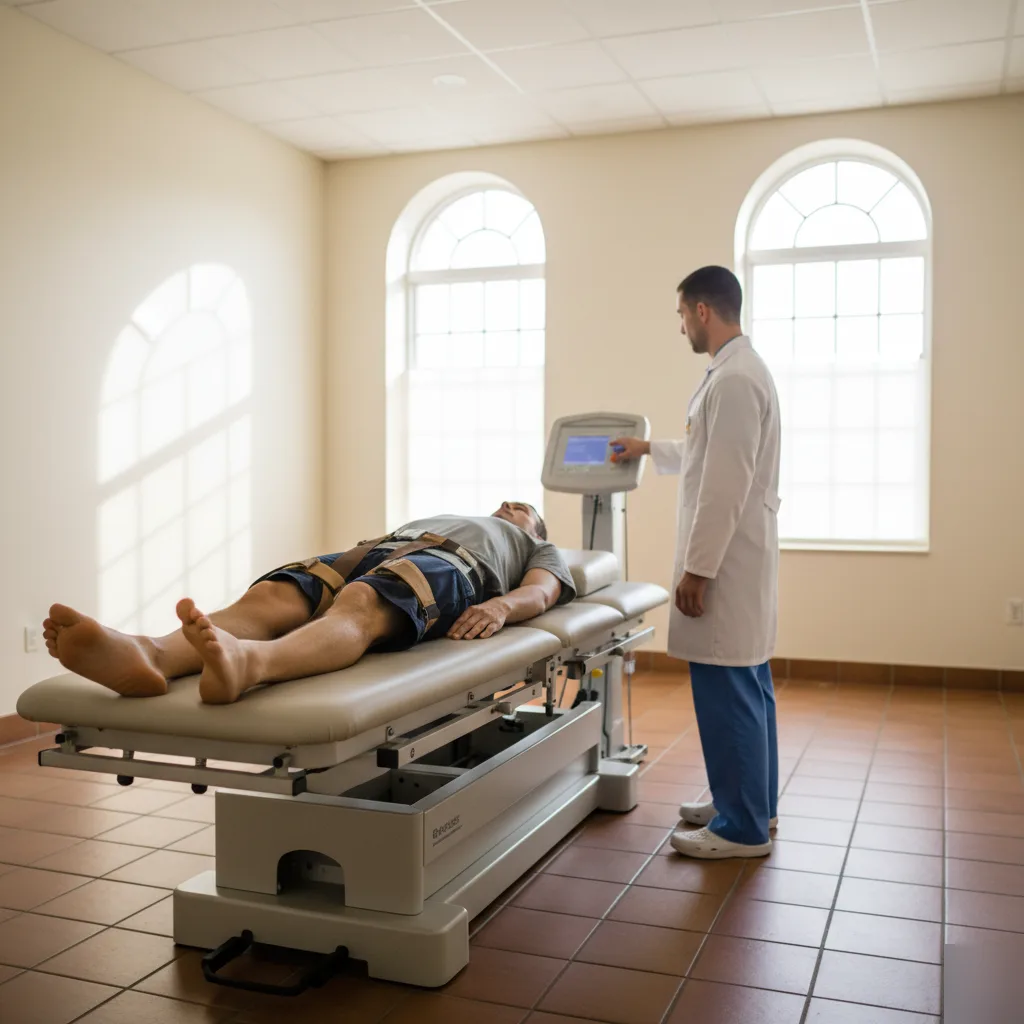
Most people walk in thinking we're just stretching their back. That's not quite right. While there's a gentle lengthening, what's really happening is a precise, controlled separation of your spinal segments. It's a key difference that makes all the impact.
Spinal traction therapy uses a special table to apply a slow, steady, mechanical force. This gentle pull separates your vertebrae. It's not a big movement, just millimeters. But those tiny shifts are incredibly important. When your spine gets compressed, maybe from sitting at a desk all day, from an old injury, or simply from years of gravity, the discs between your vertebrae lose space. They get squeezed thin. This can pinch nerves. That's when pain starts to show up, often in places you wouldn't expect, like radiating down your arms or legs.
Here's what actually happens during a session:
- You lie comfortably on a specialized traction table. We gently secure you so your body stays stable and relaxed throughout the treatment.
- The table then applies a slow, steady pull along your spine. We set this pull at a specific angle chosen just for you and your unique condition.
- That gentle pull creates negative pressure inside the disc space. This helps draw any bulging or herniated disc material back toward its proper place in the center.
- At the same time, nutrient-rich fluid begins to flow into the disc area. This natural process helps kickstart and support the healing of your discs.
- We gradually release the pull, then repeat the cycle for the duration of your session, ensuring a rhythmic and therapeutic experience.
Patients are often surprised by how gentle it feels. There's no cracking, no sudden movements. Folks from right here in Rome tell us it feels like a deep, relieving stretch they just can't get on their own. We've heard many patients, especially those from the Etowah Drive area, say they drove past our office for months before coming in. They almost always share the same thought after their first session: "I should've done this sooner."
Research published in the Journal of Physical Therapy Science highlights that spinal traction can reduce intradiscal pressure enough to promote disc retraction and improve nerve function [1]. This scientific finding aligns perfectly with the positive changes we observe with our patients every week on the table.
But the real point isn't just the science or the mechanics of it. It's about what you feel after your treatment. Less pressure on your nerves means less pain radiating down your legs. It means less stiffness in your lower back. You might notice fewer headaches that start at the base of your skull. Your body finally gets the space it needs to start healing itself, allowing you to move more freely and comfortably again.
Explore our full range of chiropractic services and care options at our Rome clinic.
Conditions That Respond Well to Traction Therapy
Not every back problem needs the same fix. At Douglas Family & Animal Chiropractic, we find that a surprising number of the conditions we treat here in Rome respond really well to spinal traction therapy. It's often a key piece of the puzzle for many people seeking lasting relief.
Herniated discs are probably the most common reason people find their way to our traction table. When a disc pushes out and presses on a nerve, you can experience shooting pain down your leg or arm. Suddenly, simple tasks like tying your shoes or lifting a grocery bag can feel impossible. Traction works by creating negative pressure that helps gently pull that disc material back to where it belongs. Studies confirm that spinal decompression can reduce intradiscal pressure enough to promote retraction of herniated material, helping alleviate that nerve pressure.
We've found these conditions tend to respond particularly well:
- Herniated or bulging discs, whether in your neck or lower back.
- Sciatica, often caused by nerve compression in the lumbar spine, leading to pain, tingling, or numbness down the leg.
- Pinched nerves that create numbness or tingling sensations in your hands or feet, making everyday tasks difficult.
- Degenerative disc disease, where discs have slowly worsened over the years, causing persistent discomfort.
Sciatica is a big one for our practice. We see many patients from the North Rome area who drive over, convinced they need surgery. Often, it's a compressed nerve root that spinal traction can address gently, without anyone picking up a scalpel. That incredible relief when the pressure finally comes off the nerve? Patients often describe it like someone just turned off a painful switch, allowing them to finally find comfort and ease.
Degenerative disc disease is another condition we work with constantly. Over time, your discs can lose hydration, causing them to flatten. This shrinks the spaces between your vertebrae. Spinal traction gently opens those spaces back up, inviting fluid and nutrients to flow back into the disc. While you can't reverse the aging process entirely, you certainly can slow down the damage and greatly reduce the pain, improving your quality of life.
Wondering if your specific issue might benefit from this approach? Some patients come in with a clear diagnosis from their doctor, having already explored various options. Others simply know something's wrong and are looking for answers. Either way, we'll always take the time to figure out exactly what's going on with your spine before we ever consider putting you on the traction table.
If spinal traction isn't the right call for your condition, we'll tell you straight and openly. We also offer other treatments like cold laser therapy and precise chiropractic adjustments, which might be a better match depending on what we discover during your assessment.
Wondering if your condition is a good fit? Book your assessment in Rome today and find out.
Book Your AppointmentYour First Traction Session: What to Expect Step by Step
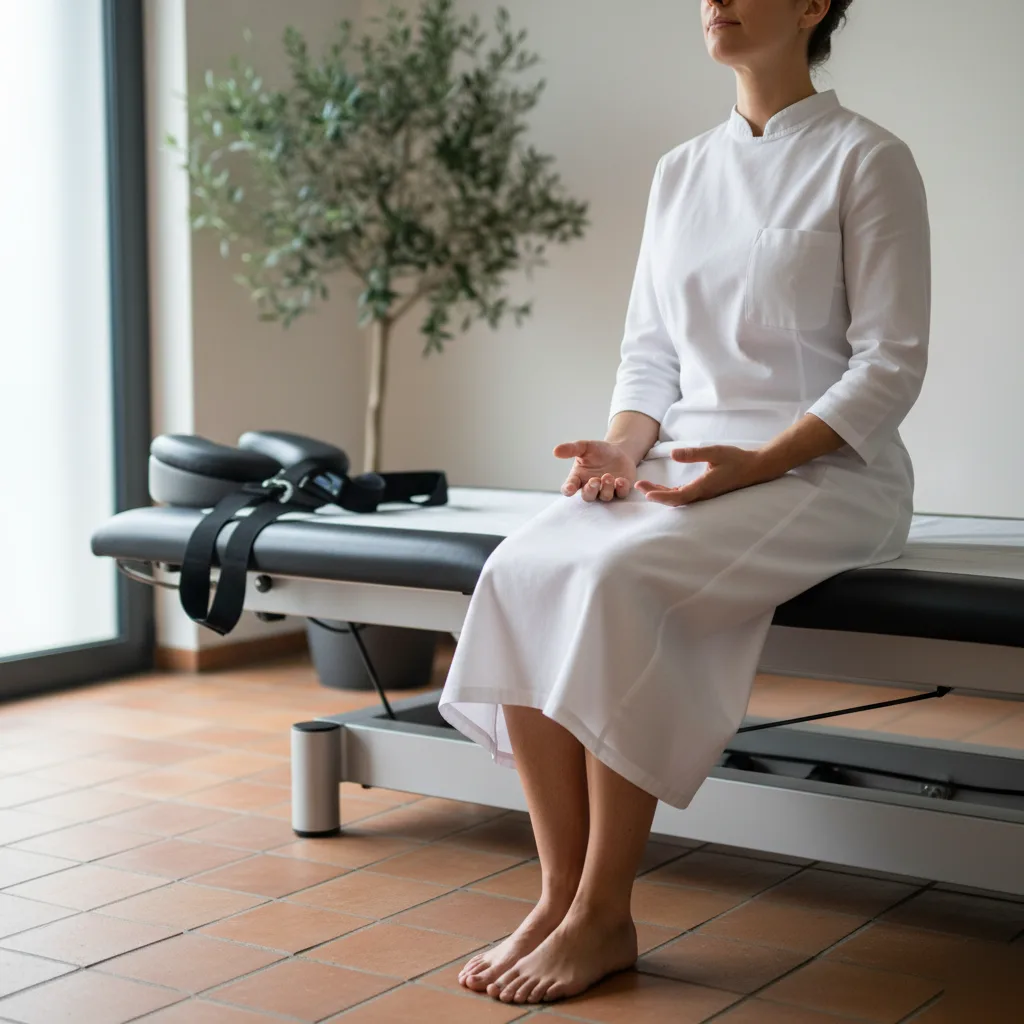
Many patients who walk through our door for the first time look a little nervous. That's perfectly normal. You're about to lie on a specialized table that gently pulls your spine apart. It might sound intense at first. But what we consistently hear from our patients is that it's actually one of the most relaxing and comfortable treatments we offer here in Rome.
Here's how a typical visit with spinal traction therapy usually goes, from the moment you arrive to when you leave feeling better:
- A quick intake and history. We'll begin by having a friendly chat about your pain. We want to understand where it shows up, how it feels, and how long it's been affecting your daily life. If you've had any imaging done, like X-rays or MRIs, please bring them along. We like to get the fullest picture possible of your health before we begin any treatment.
- A hands-on exam. Next, we'll perform a gentle hands-on exam. We'll check your range of motion, test specific movements, and carefully feel along your spine to pinpoint any problem areas. This part typically takes about ten minutes, giving us important insights into your unique spinal health.
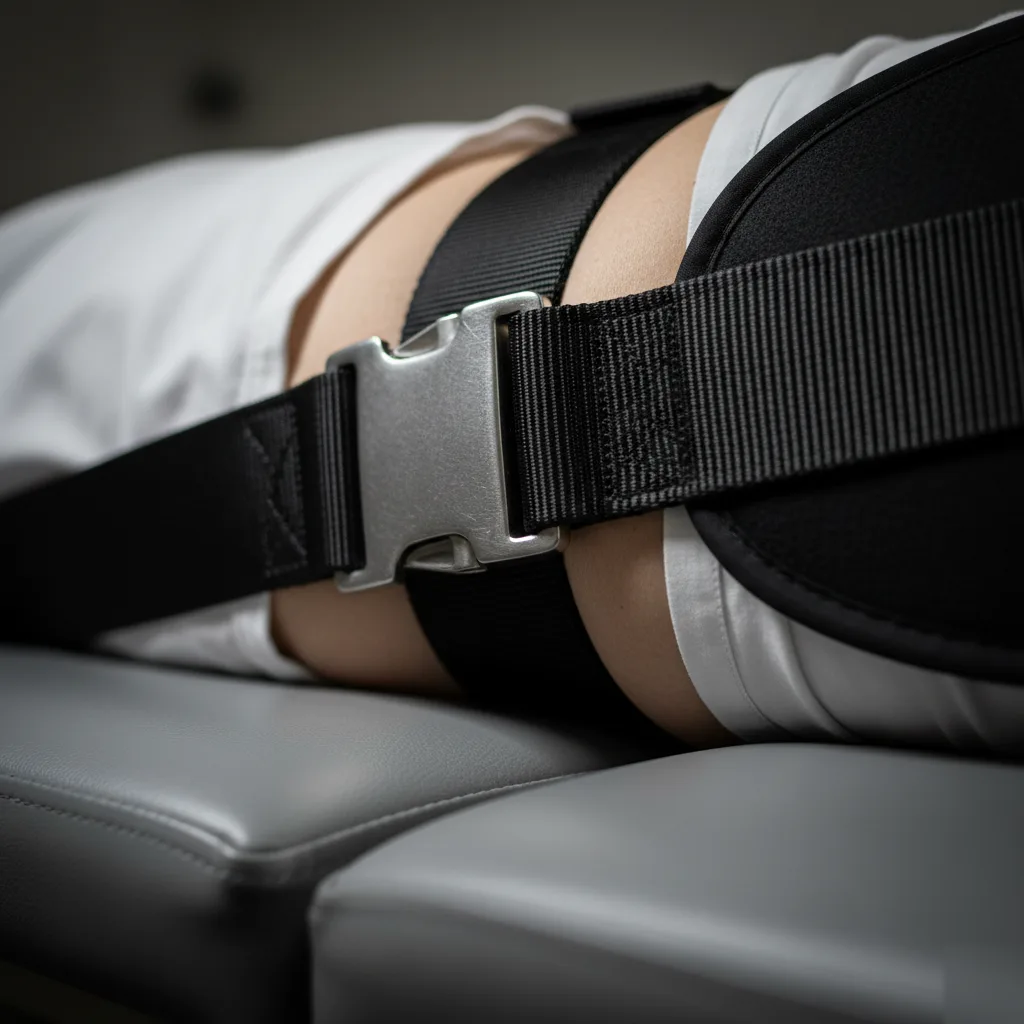
- Table setup. You'll then lie comfortably face up on our traction table. We'll secure a soft harness around your hips and adjust the angle of the table. This adjustment is carefully made based on which discs or segments of your spine need the most focused support and help.
- The pull begins. The table will then apply a slow, controlled stretch to your spine. You'll feel a gentle pulling sensation in your low back or neck. It's important to know there should be no sharp pain. Most patients in our North Rome office tell us it feels like a deep, steady stretch, a feeling of relief they didn't even realize they needed.
- Hold and release cycles. The machine works in alternating cycles, gently pulling and then resting. Each cycle lasts about 60 seconds. A full session runs for a comfortable 15 to 20 minutes, allowing plenty of time for your spine to respond to the therapy.
- Post-session check. After your session, we'll reassess your movement and pain level right away. It's common for patients to stand up and mention they feel taller, lighter, or simply more mobile than when they arrived.
And that's the complete process. No cracking. No sudden, jarring movements. Just a smooth, therapeutic experience.
We see it regularly: someone comes in barely able to bend forward due to pain, and they leave moving noticeably better after just one session. This doesn't mean you're completely fixed after a single visit. But it's a wonderful sign that the pressure on your disc or nerve has started to change. A study published in the Journal of Orthopaedic & Sports Physical Therapy confirmed that spinal traction can reduce intradiscal pressure enough to promote healing over a series of visits, showing how consistent care builds lasting results [2].
You'll be able to drive yourself home and go back to work or your daily activities. Some patients might feel a little sore the next morning, similar to how your muscles feel after a good workout. That feeling usually fades quickly. We'll also give you some simple stretches and advice to do at home between visits to help you maintain your progress and keep those positive changes going.
Not sure if this type of care is what you need for your particular concerns? We invite you to give us a call. We'd be happy to talk it through with you, answer all your questions, and you feel completely comfortable before you ever decide to get on the table.
How Many Sessions You Will Likely Need
The answer depends on what's going on with your spine and how long it's been bothering you.
Someone dealing with mild stiffness or early-stage disc pressure might experience real relief and significant improvement after just four to six sessions. But for a patient who has been living with a herniated disc or chronic sciatica for years, that's often a longer journey. We typically see those cases needing ten to fifteen sessions before the spine truly stabilizes and holds its correction well. Most patients in Rome start noticing real, measurable changes around the third or fourth visit; that's usually when the body truly begins to respond consistently to the repeated decompression therapy.
What Affects Your Treatment Timeline
No two spines that walk through our door are exactly the same. Several factors play a role in shaping how many spinal traction therapy sessions you'll need to reach your wellness goals:
- How long you've had the problem. A pinched nerve that started last month generally responds faster than one you've been ignoring for three years. Our bodies need a bit more time to undo long-standing patterns.
- Your overall spinal health and posture habits. Your daily routines and how you hold your body can impact healing speed.
- Whether you're combining spinal traction therapy with other helpful care, such as chiropractic adjustments or specific rehabilitation exercises. A multi-faceted approach often yields quicker and more lasting results.
- Your age and activity level. We've noticed that active patients, like those living near Shorter Avenue, tend to bounce back quicker than individuals who sit at a desk for ten hours a day. Your body's natural resilience plays a role.
We make sure to map all of this out carefully with you during your first visit. There's no guessing involved. We want you to have a clear understanding of the path ahead.
Here's something we often share with our patients: the sessions where you feel the least immediate change are often doing the most profound work. During these times, your discs are steadily rehydrating. Pressure is shifting off the nerve roots millimeter by millimeter, making subtle but important progress. You won't always feel that happening intensely, but it absolutely is, laying the groundwork for lasting relief.
Most treatment plans begin with two to three visits per week. Then, as your spine stabilizes and strengthens, we gradually spread out your appointments. Think of it like training a muscle; consistency truly matters more than intense, infrequent efforts. Skipping weeks in the middle of your plan can sometimes set you back further than if you were starting over. We encourage a steady approach for the best outcomes.
Our goal for patients who commit to their full plan is that they won't need to come back for the same issue again. That's the real aim of our care. We're not looking for endless appointments; we're aiming for genuine correction that lasts, allowing you to get back to living your life fully. If you're wondering where you might fall on this timeline, we can usually give you a clear, personalized picture after your initial evaluation.
Want a clear picture of how long your recovery will take? Call our Rome clinic and we'll walk you through it after your first evaluation.
☎ (706) 290-3229Who Should and Should Not Receive Spinal Traction Therapy
Most people who walk into our Rome office asking about spinal traction therapy share one key thing in common: they've been hurting for a while, and other approaches haven't provided the relief they need. They're often looking for a different solution.
That's actually a wonderful starting point for us. But it's important to remember that spinal traction therapy isn't a one-size-fits-all treatment. Some people are excellent candidates and find incredible relief. Others might need a different path to wellness. Our team always takes the time to sort that out carefully and transparently before anything else happens, making sure we recommend the best possible care for you.
You're Likely a Good Fit If
Patients who benefit most from spinal traction therapy tend to share a few common patterns of discomfort and health concerns:
- Disc bulges or herniations that are causing persistent pain radiating down your arms or legs.
- Chronic low back stiffness, especially that which gets worse after sitting for periods of time.
- Sciatica symptoms that haven't responded well to conventional treatments like rest, stretching, or other therapies.
- Pinched nerves in either the neck or the lumbar spine, leading to localized pain or numbness.
- Degenerative disc changes that are creating ongoing pressure and discomfort in your spine.
We regularly see patients from the East Rome area and all corners of town who have been dealing with these issues for months, sometimes even for years. They've often tried a range of options, from heat packs and over-the-counter medications to perhaps even injections, seeking relief. Spinal traction therapy offers us a gentle, effective way to address the underlying problem, rather than simply quieting the symptoms for a few days. It's about finding real, lasting comfort.
When It's Not the Right Call
We believe that honesty and your safety are our top priorities, even more so than booking another appointment. We will always be upfront with you.
We will not recommend spinal traction therapy if you have certain conditions. For instance, severe osteoporosis is one such condition that would make this therapy unsuitable. Active spinal fractures, spinal tumors, or advanced spinal fusion hardware from previous surgeries are also contraindications. Pregnant patients should also avoid this treatment due to the nature of the mechanical pull. Additionally, if you have an abdominal aortic aneurysm or certain vascular conditions, we will always steer you toward a safer, more appropriate alternative. As a licensed chiropractic team here in Rome, we carefully screen for all of these factors during your very first visit to your well-being.
Not sure if your unique situation qualifies you for this therapy? We often hear from patients who call us worried they're "too far gone" or that their age automatically rules them out. We want to reassure you that age alone does not disqualify you from receiving care. We've had the privilege of helping patients in their 70s find real relief and improved mobility. Conversely, we've also advised 30-year-olds that a different therapeutic approach made more sense for their specific diagnosis. Every person and every spine is unique.
During our screening process, we'll review your health history, carefully examine any imaging you might have (like X-rays or MRIs), and perform a hands-on exam. There's no guesswork involved. You'll have a clear understanding before you leave whether spinal traction therapy is the right choice for you, or if one of our other gentle treatments might better fit your individual needs and help you achieve your health goals.
Discover a full suite of preventative care and restorative therapies at our wellness center.
Citations
[1] Journal of Physical Therapy Science. "Effect of Lumbar Stabilization and Dynamic Lumbar Strengthening Exercises in Patients With Chronic Low Back Pain." https://pmc.ncbi.nlm.nih.gov/articles/PMC4339166/
[2] Journal of Orthopaedic & Sports Physical Therapy. "Spinal Traction and Intradiscal Pressure." https://www.jospt.org/doi/10.2519/jospt.1985.6.5.281?url_ver=Z39.88-2003&rfr_id=ori:rid:crossref.org&rfr_dat=cr_pub%20%200pubmed
Frequently Asked Questions
Common questions about spinal traction therapy from our Rome, GA patients.
Ready to Take Pressure Off Your Spine in Rome, GA?
Disc compression, nerve pain, and sciatica don't have to run your life. Our team at Douglas Family & Animal Chiropractic is ready to assess your spine and build a traction plan around your specific condition. Same-day appointments available — call or book online today.


Contact Us
(706) 290-3229
(706) 487-3222
610 Shorter Ave NW
SUITE 9,
Rome, GA 30165
Copyright 2025, Douglas Family Chiropractic.
All Rights Reserved.
Powered By: