

What Causes Lower Back Pain? Common Triggers Explained in Rome, GA
Lower Back Pain Rarely Comes From One Single Moment
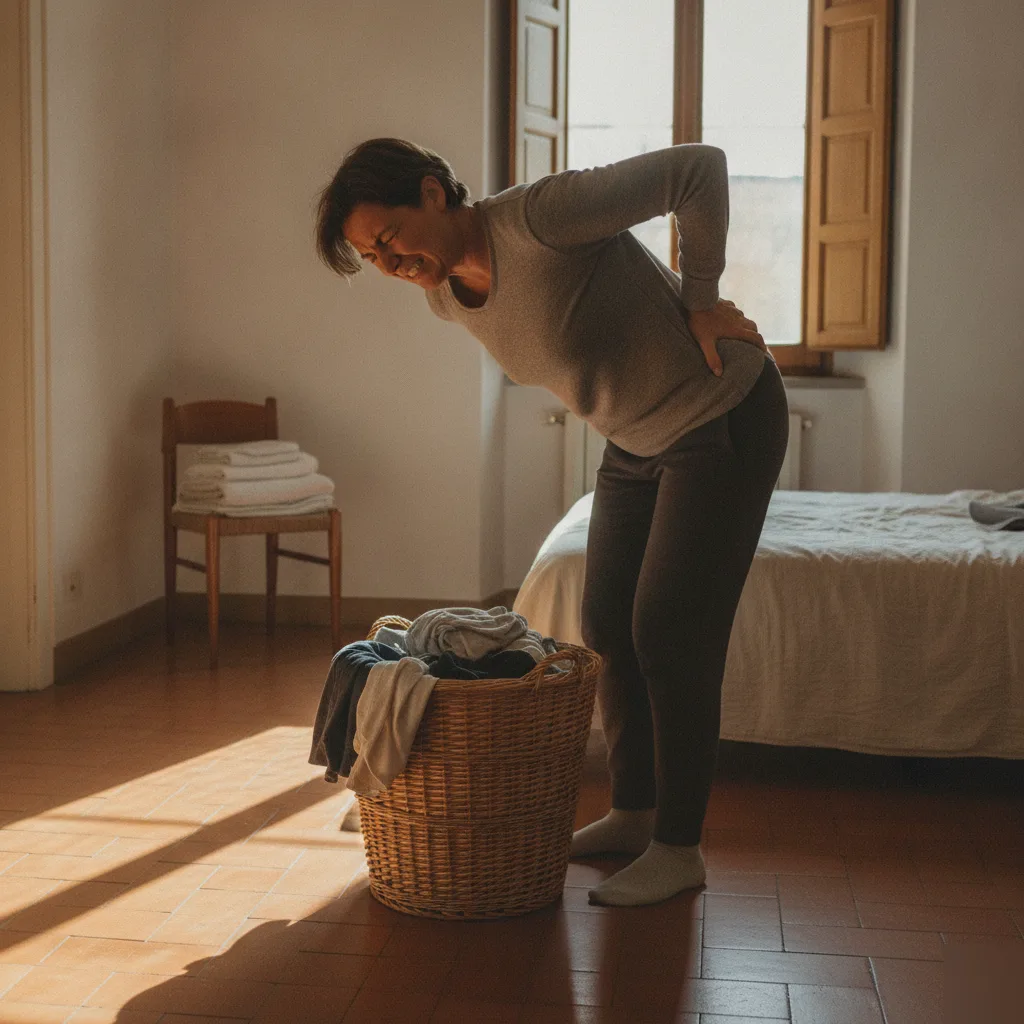
You bend down to grab a laundry basket, and suddenly your back just locks up. It feels like one bad move did all the damage. But that's almost never what really happens. Most lower back pain builds up for weeks, even months, before one little thing finally pushes it over the edge. We see this all the time here in our Rome clinic, folks blaming a laundry basket when the real issue started a long, long time ago.
Think of your spine like a thick rope, made of thousands of tiny strands. Each strand can take a little stress. But pile enough small tugs on it, day after day, and that rope starts to fray. One more tug — and it snaps. That's exactly what goes on with your back. Sitting at a desk for hours, sleeping on a lumpy old mattress, slinging a heavy work bag on just one shoulder, these things slowly chip away at your spine's natural support.
So, what adds up to set the stage for that "sudden" injury? Here are the usual suspects we always ask our patients about during their first visit:
- Long stretches of sitting without breaks, common for all those office workers around Rome's business spots.
- Weak core muscles, leaving your lower spine to do extra work it's not built to handle alone.
- Poor lifting habits, repeated at your job or at home, even with light stuff.
- Old injuries that never quite healed, some going back years.
- Extra stress on joints from uneven weight carrying, like that giant purse or a heavy toolbox.
Any one of these things alone probably won't cause much trouble. And that's exactly why people miss it, the damage stays quiet until it decides to get loud.
This is why we spend real time asking about your daily habits during an evaluation, not just the exact moment the pain started. What's your job like? How do you sleep? Do you sit most of the day or are you on your feet? These questions really matter. If we only treat the symptom without understanding the root cause, the pain usually just comes right back.
Rome's mix of older homes and plenty of physical trade jobs, farming, warehouse work, landscaping, means a lot of our local patients carry repetitive strain without even knowing it. Throw in our cold, damp winters that can make stiff muscles even tighter, and you've got a clear recipe for slow, quiet spine stress that just explodes into "sudden" pain later.
If you're dealing with back pain right now, it's really worth getting a good look at what led up to it. Don't just focus on the moment it started. That's exactly what our back pain treatment approach is built on. We figure out the whole pattern behind the pain, we don't just chase the latest flare-up.
Common Everyday Triggers That Add Up Over Time

Most lower back pain isn't caused by one big accident. It builds up slowly. Little things you do every day, without even thinking about them. You sit wrong for years, you lift things the lazy way, you carry a heavy bag on just one shoulder. Your back just quietly keeps a tally. One day it collects that debt, often when you're doing something totally normal, like tying your shoes or grabbing the milk from the fridge.
We see this confusion so often in our office. A patient walks in and says, "I just bent over to pick up a pen, and my back locked up." That pen didn't cause the problem. The pen was just the last item on a stack that had been building for months, sometimes longer.
The Habits That Sneak Up on You
Rome has a ton of desk jobs, plenty of delivery drivers, and lots of folks running small shops on their feet all day. Every single one of these jobs has its own little quiet back-wrecker built right in. Here are the everyday habits we hear about most from patients in our clinic:
- Sitting for long stretches with bad posture, especially slouched over a laptop or phone.
- Lifting boxes or kids by bending at the waist instead of using your knees.
- Sleeping on a mattress that's too soft or too old to give your spine proper support.
- Carrying a heavy purse, backpack, or even a work bag on the same side, day in and day out.
- Standing for hours on hard floors without shifting your weight or taking a stretch break.
None of these things feel dangerous at the moment. That's exactly why they're such a problem. Small strains, repeated daily, pile up faster than most people realize.
Weight, Stress, and Weak Core Muscles
Extra body weight just puts more load on your lower spine, it's that simple. Stress does too, though folks rarely connect those two. When you're stressed, your muscles tense up, often without you even noticing. And tight muscles around your lower back can pull your spine right out of its natural position. A weak core also plays a big part. Your abs and back muscles are supposed to work as a team to support your spine. But if one side is weak, the other overworks and gets sore. It's an imbalance.
The American Chiropractic Association says back pain is one of the most common reasons people miss work or go see a doctor [1]. That really isn't a shock once you see how many small daily habits can stack up against your spine. Sometimes it's the simplest things that create the biggest trouble.
Once you figure out the daily habit that's driving your pain, you can definitely do something about it. That's usually the first thing we check during a back pain evaluation, even before we talk about specific treatments. If any of these habits sound familiar to you, it might be worth getting your spine checked properly, rather than waiting for the next big flare-up to hit.
Recognize any of these habits? Book your back pain evaluation in Rome and let's find the real cause.
Book Your AppointmentMuscle Strain vs. Disc Pain: Knowing the Difference
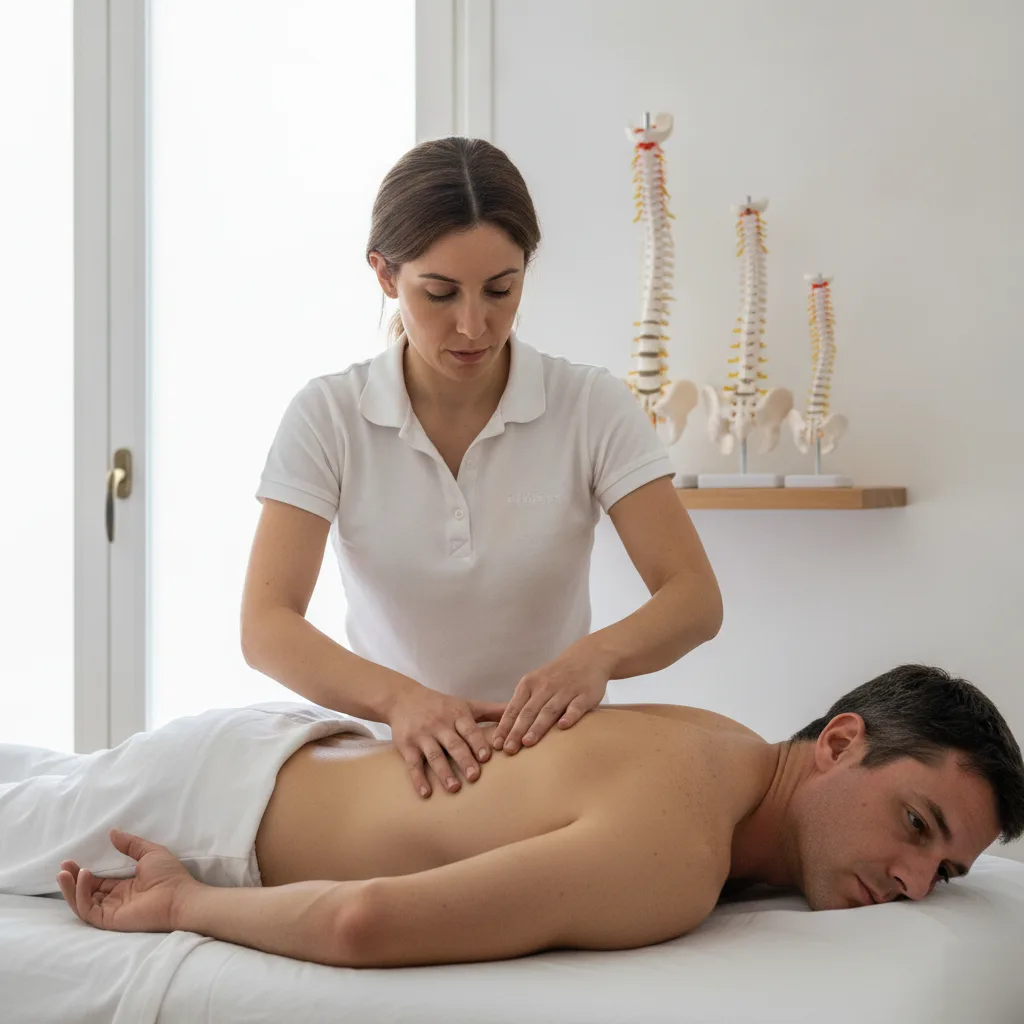
Most people in Rome who wake up with a really sore back just assume it's a muscle strain. And usually, that guess is right. But not always. Knowing the actual difference between a strained muscle and a disc problem can save you weeks of guessing games and doing the wrong things at home.
A muscle strain usually feels like a dull ache or a tight knot. It's often on just one side of your lower back, a spot you can almost point to. It hurts more when you move a certain way. Then it eases up when you rest or put some heat on it. Most muscle strains, say from doing yard work or lifting something wrong, start feeling better within a few days to a week. We see this pattern constantly with weekend warriors who overdo it by moving furniture or working hard in their gardens — especially around the spring planting season.
Disc pain feels different. And it acts differently too.
Here's what tends to point toward a disc issue instead of just a simple strain:
- Pain that shoots down one leg, goes past the knee, sometimes even into your foot.
- Numbness or tingling in your leg or foot.
- Pain that gets worse when you sit, or when you cough or sneeze.
- Weakness in your leg, like your foot dragging or having trouble standing on your toes.
- Pain that doesn't really budge much no matter how you try to position yourself.
That leg pain? That's a big clue. Muscle strains generally stay in the back. Disc problems tend to travel, and by the way, sometimes this can make standing in line at the grocery store a real nightmare. That's because a bulging or herniated disc can press on a nerve root that runs right down your leg. This is the exact kind of pain we treat all the time with our sciatica and herniated disc treatment plans. It almost always needs a different approach than just a plain muscle strain.
So, how do you know for sure? You usually can't, not just by guessing at home. A strain and a mild disc bulge can feel eerily similar for the first day or two. But a few more days usually tell the story. If the pain is easing up, it was probably a strain. If it's traveling further down your leg, or if numbness shows up, that's disc-related more often than not. Frankly, this is the part most people overthink, or they wait too long to get it checked.
Here's a scenario we run into. A guy in his 40s picks up a heavy box the wrong way, feels a pop, and figures it's just a pulled muscle. He rests, uses ice, takes some over-the-counter pain relievers. Two weeks later, he's still hurting. And now his leg is going numb below the knee. That's not a strain anymore, or it never was one. That's a disc pressing on a nerve, and it absolutely needs a proper look, not more waiting.
One more thing worth knowing: muscle strains respond well to gentle movement and time, but disc issues often need a more direct approach to take the pressure off that nerve. We can help with both, but the plan is always different.
If you're not sure which one you're dealing with, don't just keep guessing for another month. A proper exam can tell you exactly what's going on in your spine, not just what it feels like on the surface. We're here to help you get answers.
Strain or disc — don't keep guessing. Call our Rome clinic and let's find out exactly what's going on in your spine.
☎ (706) 290-3229Citations
[1] American Chiropractic Association. "Back Pain Facts and Statistics." https://handsdownbetter.org/health-and-wellness/back-pain-facts-and-statistics/
Frequently Asked Questions
Common questions about lower back pain causes from our Rome, GA patients.
Ready to Find the Real Cause of Your Back Pain in Rome, GA?
Back pain almost never comes from one bad moment. Our team at Douglas Family & Animal Chiropractic will look at the whole pattern behind your pain — not just today's flare-up. Same-day appointments available — call or book online today.



Contact Us
(706) 290-3229
(706) 487-3222
610 Shorter Ave NW
SUITE 9,
Rome, GA 30165
Copyright 2025, Douglas Family Chiropractic.
All Rights Reserved.
Powered By: