

What Helps a Stiff Back? Quick Relief Tips and Stretches in Rome, GA
What Causes a Stiff Back in the First Place
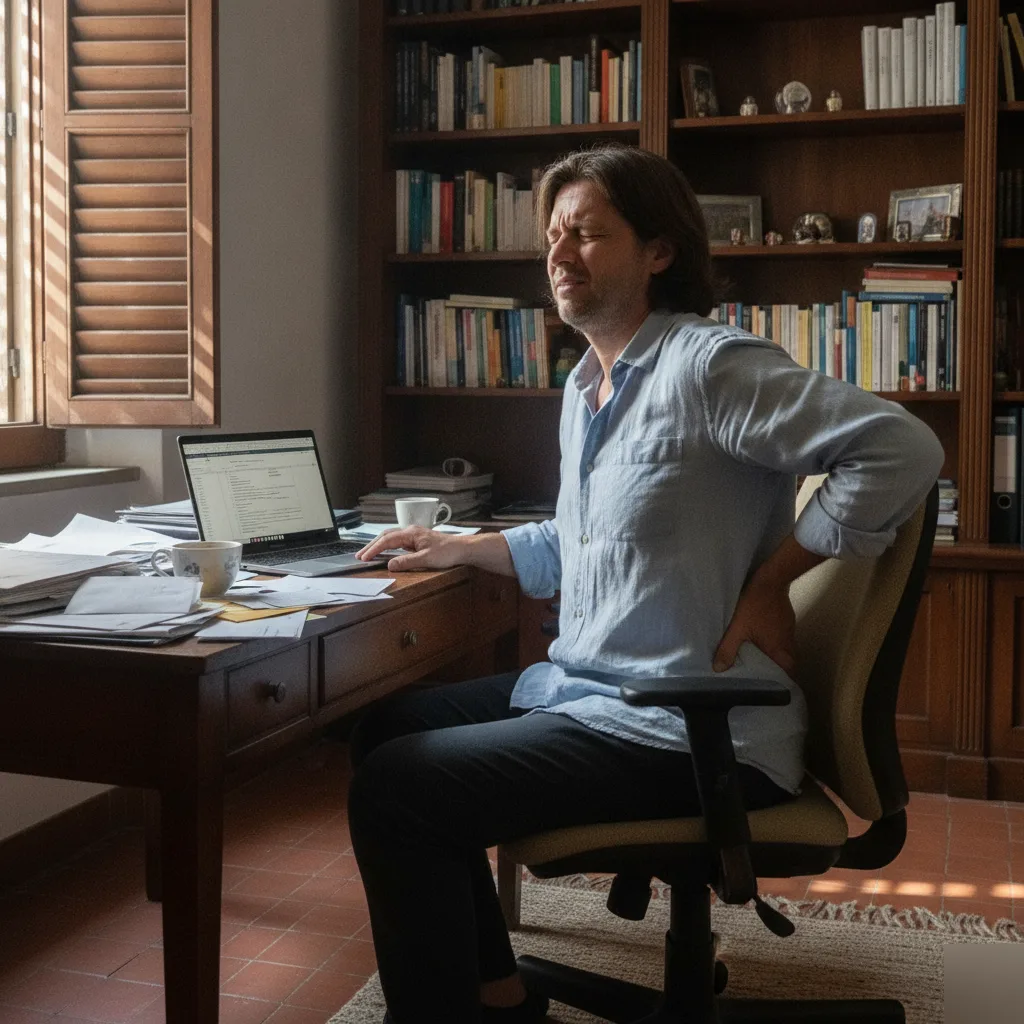
A stiff back doesn't just show up for no reason. Something usually triggers it, even if you can't quite pinpoint what. We hear the same line all the time when folks walk into our Rome office: "I didn't do anything, it just got stiff." But your body tells the truth. There's almost always a reason, even if it's a small issue that builds up over weeks or even months.
Sitting for too long is a big problem we see. Desk jobs, those long drives through Rome to various businesses, hours hunched at a kitchen table working from home. Your spine wasn't designed to stay still all day. When you sit for hours without moving, the muscles around your spine tighten up and get short. And that tension turns into stiffness by the time the day wraps up.
Sleeping wrong plays a bigger role than many patients realize. An old mattress, a bad pillow, sleeping on your stomach with your neck all twisted — these things stack up night after night. You wake up and your back feels locked tight. It's not always one terrible night, either; it's often months of small strains adding up. A little adjustment can go a long way.
Ready to feel your best? Check out our complete menu of chiropractic care options today.
Common Everyday Triggers
Here are the causes we see often with our patients:
- Poor posture from phones, laptops, or slumping in a chair
- Lifting something heavy the wrong way, like even a laundry basket
- Weak core muscles that don't support your spine enough
- Old injuries that never truly healed, now they flare up
- Stress, which tightens muscles without you even noticing
Stress needs its own mention. When you're anxious or overworked, your body holds tension in your shoulders and lower back — you probably won't even realize it's happening. We've had patients come in stiff as a board, no injury at all, just weeks of stress piled on a busy life. It's a real thing, and it's a lot more common than people give it credit for.
Weather matters, too, though people really underestimate it. Rome gets its share of humid summers and brisk winter mornings, and both can change how your muscles and joints feel. Cold weather tends to make muscles tighten faster. If you've noticed your back feels worse on chilly mornings before you've had a chance to warm up, you're not imagining it, we promise.
Age is a factor, of course, but it's not the whole story. Discs lose some cushioning over time, and joints get a little less flexible. That said, we care for plenty of 25-year-olds with stiff backs from bad habits, and many 60-year-olds who move better than people half their age. Age is a piece of the puzzle, not a life sentence.
Sometimes the cause is something more specific, like a herniated disc or a pinched nerve. These need a closer look because they won't always respond to just stretching. If your stiffness came with numbness, tingling, or pain running down your leg, that's a different situation than a tight muscle from too much sitting.
So what's the pattern we see? Most stiff backs come from repeated small habits, not one big, dramatic event. A chair that's a little too low. A pillow that's too flat. A week of stress with no time for exercise. Once you understand the cause, the path to feeling better usually starts to make sense, too.
Simple Stretches That Loosen a Stiff Back Fast
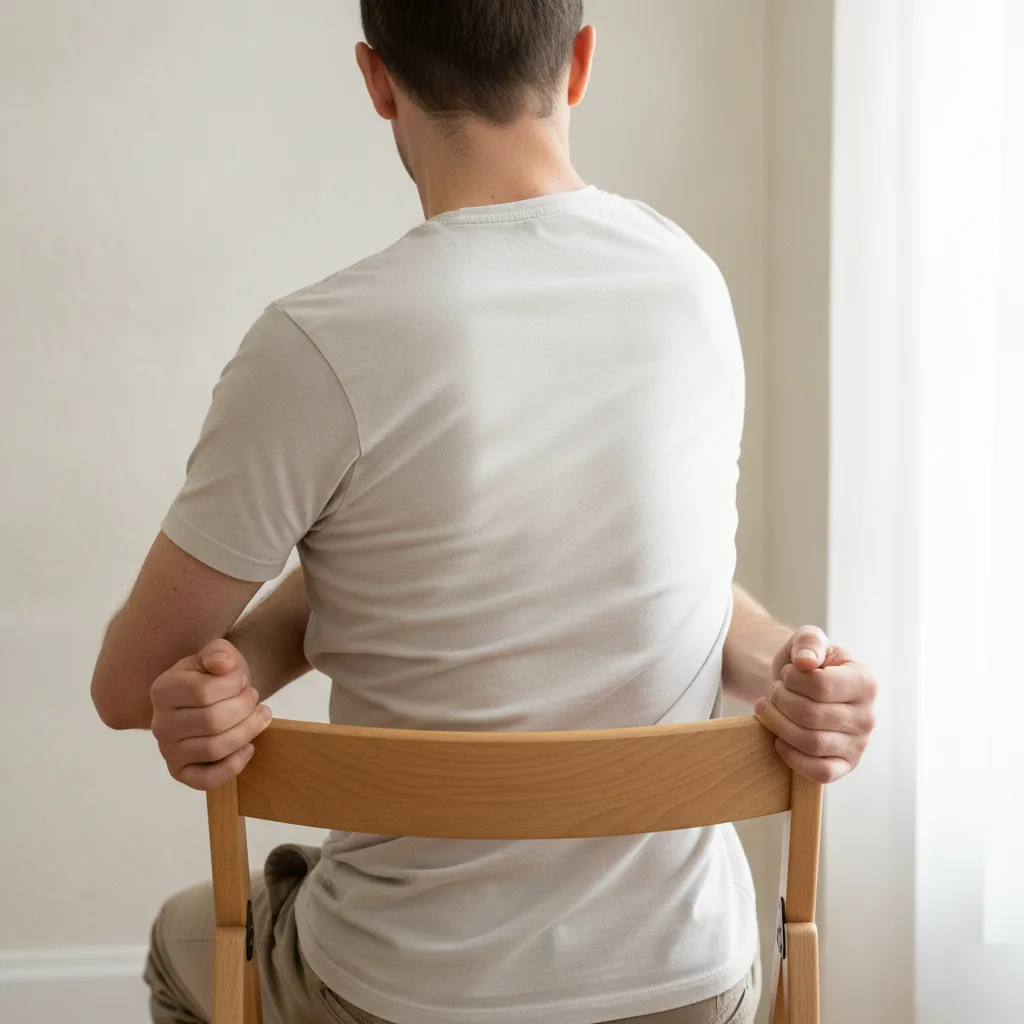
A stiff back usually loosens faster with movement than it does by staying still. That surprises a lot of people. We hear it all the time from folks near the Rome Plaza area who work desk jobs and assume resting is the best answer. Rest helps for a day, maybe two. After that, your muscles start getting tighter, not looser.
Here's a routine we guide patients through after an adjustment. It only takes about five minutes, and you can do it at home, at your desk, or even in your car during a quick lunch break.
- Knee-to-chest stretch. Lie on your back, then pull one knee gently toward your chest. Hold it for 20 seconds. Switch legs and repeat. This helps loosen the lower back and glutes.
- Cat-cow stretch. Get down on your hands and knees. Arch your back up like a cat, then dip it down toward the floor like a cow. Do this slowly, maybe ten times.
- Seated spinal twist. Sit up tall, cross one leg over the other, then twist your torso toward the bent knee. Hold for about 15 seconds on each side.
- Piriformis stretch. Sit on a chair, cross one ankle over your opposite knee, then lean forward gently. This targets the hip and lower back together.
- Standing back extension. Stand up, place your hands on your lower back. Gently lean back a little. Do this five times, nice and easy.
Go slow with these. Nothing here should cause pain. If a stretch makes a sharp pain, stop it right away — that's not a good sign. We always tell patients this.
And how you breathe matters more than most people think. Take a deep breath in before each stretch, then exhale as you move into it. This helps the muscle relax instead of fighting against you. We tell patients this constantly, but it's important: tension in your breathing shows up as tension in your back.
So how often should you stretch? Twice a day works well for most stiff backs, once in the morning and again before bed. Morning stiffness is super common because your spine has been still for hours. A short stretch session gets fluid moving into those discs again. It helps kickstart the day.
One thing we notice in our clinic: people in Rome who sit through long shifts at local warehouses or spend hours driving Route 1 tend to get the worst stiffness in their lower back and hips. Their stretches need to focus there first, really targeting those areas, not just the neck or shoulders.
But stretching alone won't fix everything. It loosens tight muscles for the moment, but it doesn't correct the alignment issue that caused the tightness. That's the crucial piece most home routines miss, the deeper structural problem.
If your stiffness keeps coming back no matter how much you stretch, something deeper might be going on with your spine's alignment. A stiff back that won't quit after a week of daily stretches deserves a real look, not just another home remedy. It needs a different approach.
That's really the difference between getting quick relief and finding lasting relief. Stretches buy you comfort for a few hours. Chiropractic adjustments and spinal manipulation get to the root cause behind the stiffness itself. Our team sees this pattern weekly: someone stretches for two weeks straight, feels a little better, then the same stiffness shows up again the moment they sit for too long. It's a cycle.
Stretching helps, but it won't fix the root cause. Book your assessment in Rome and let's find what's really going on.
Book Your AppointmentHeat or Ice: Choosing the Right Quick Relief Method
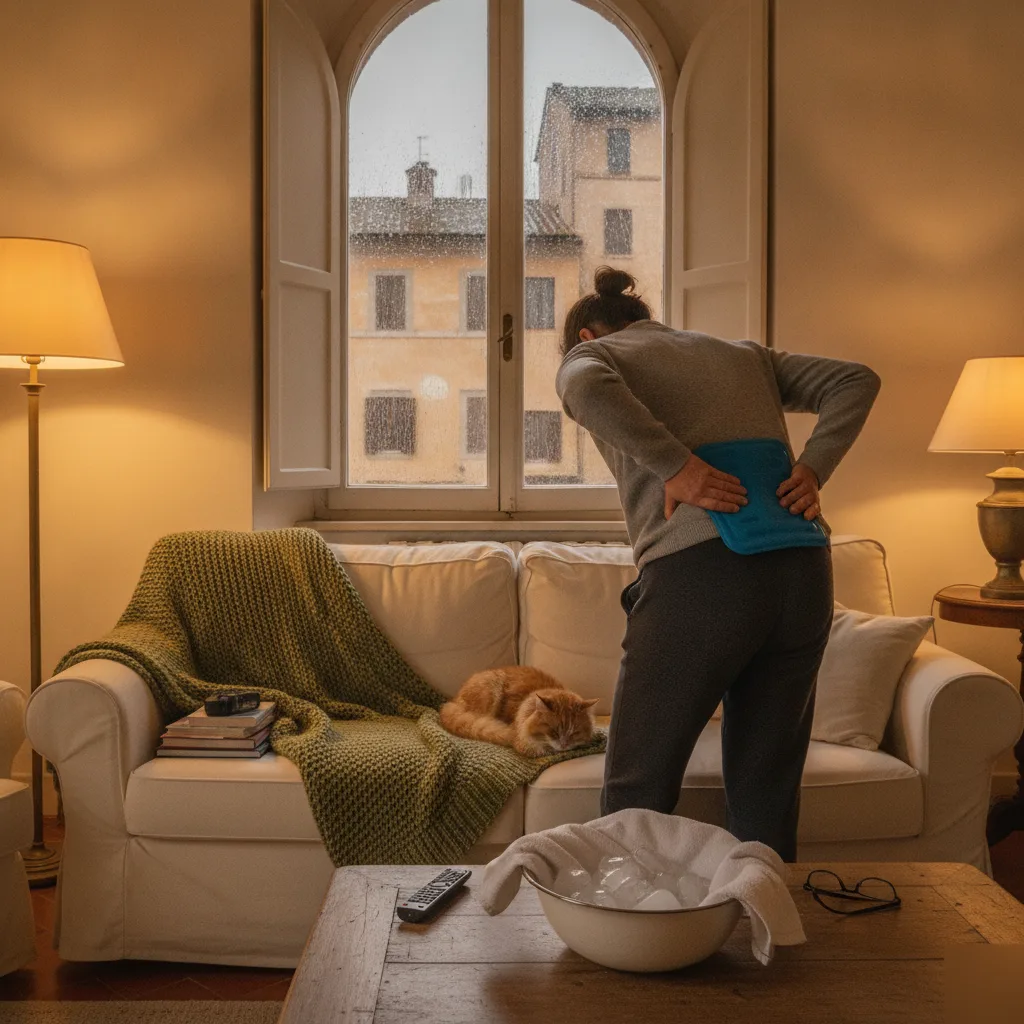
Here's the question we get asked more than almost any other: heat or ice, which one works for a stiff back? The honest answer is it all depends on timing. Ice calms things down. Heat loosens things up. If you get the order backward, you might feel worse before you feel better, believe it or not.
Ice works best in the first 24 to 48 hours after your back tightens up or takes an injury. Cold slows down blood flow and cuts down swelling around the muscles and joints. So if you woke up and your back seized after moving furniture or bending wrong in the garden, grab the ice first. Wrap a cold pack in a thin towel and apply it for 15 to 20 minutes at a time. And give your skin a break between sessions, at least an hour, so you don't risk irritation. Safety matters.
Heat comes in once that sharp pain settles, usually after that first day or two. Heat increases blood flow. It relaxes tight muscles and makes stretching feel much less brutal. A lot of folks in Rome reach for a heating pad in the colder months, especially when stiffness seems to hit harder, and that's not just in your head. Cold weather really can make muscles tense up more, which adds to existing stiffness. A warm shower, a heating pad, or even just a warm towel on the lower back for 15-20 minutes can help loosen things before you try any gentle stretches.
Not sure which one fits your situation? Ask yourself a simple question: is this a fresh injury, or an old stiff feeling that's been hanging around for weeks? Fresh and swollen leans ice. Old and tight leans heat. Some people even do better switching between both, ice first to knock down that initial inflammation, then heat later to loosen the muscle back up. It's a bit of an art.
- Use ice for new pain, any swelling, or a back that feels hot or inflamed to the touch.
- Use heat for chronic tightness, muscle knots, or stiffness that's been building for days.
- Never apply either heat or ice directly to bare skin for more than 20 minutes at a stretch.
- Stop and check with a professional if pain shoots down your leg or gets worse with heat or ice.
We see this mistake all the time: someone throws heat on a fresh injury because it feels good right then, then wonders why the swelling won't go down the next day. Heat feels relaxing, sure, but on a fresh strain, it can pump more blood and fluid into a spot that's already inflamed. That's the exact opposite of what you want to do. The Mayo Clinic has more information about using heat and ice to resolve back pain [1].
Home heat and ice can only do so much on their own, though. If your stiffness keeps coming back week after week, that's usually a sign the muscle or joint issue underneath hasn't fully resolved. It's just been masked for a bit. This is where treatments like massage therapy or cold laser therapy can go much deeper than a heating pad ever could, working directly on the tight tissue or the inflammation causing the problem in the first place. Heat and ice are good first steps, absolutely. They're rarely the whole answer.
Heat and ice are good first steps. Call our Rome clinic when you're ready for something that goes deeper.
☎ (706) 290-3229Citations
[1] Mayo Clinic. "How to Relieve Back Pain at Home." https://mcpress.mayoclinic.org/living-well/how-to-relieve-back-pain-at-home/
Frequently Asked Questions
Common questions about stiff back relief from our Rome, GA patients.
Ready to Get Your Stiff Back Moving Again in Rome, GA?
Quick relief tips help, but they won't fix what's underneath. Our team at Douglas Family & Animal Chiropractic will find the real cause of your stiffness and address it properly. Same-day appointments available — call or book online today.



Contact Us
(706) 290-3229
(706) 487-3222
610 Shorter Ave NW
SUITE 9,
Rome, GA 30165
Copyright 2025, Douglas Family Chiropractic.
All Rights Reserved.
Powered By: